Culture that still feels lived in
Gansu is strongest when you read it as more than scenery. Silk Road exchange, Buddhist art, Tibetan monastic life, and Hui Muslim culture still shape how the province feels on the ground.
The stories that hold the province together
These are the cultural layers that make distant destinations feel connected rather than random.

History
Silk Road History
The Silk Road was never a single road — it was a network of trails, some well-trodden, some barely passable, that carried goods, ideas, and religions across Asia for over a millennium. Gansu's Hexi Corridor was the chokepoint: a narrow strip of fertile land between the Tibetan Plateau and the Gobi Desert that every caravan had to pass through. The evidence is still everywhere — in the ruined forts dotting the desert, the Buddhist caves carved by traveling monks, and the faces of local people who carry genetic traces of traders from Rome to Samarkand.
Why it matters
The Silk Road brought Buddhism to China, facilitated cultural exchange, and made Gansu a melting pot of different civilizations.
Art & Architecture
Buddhist Art Heritage
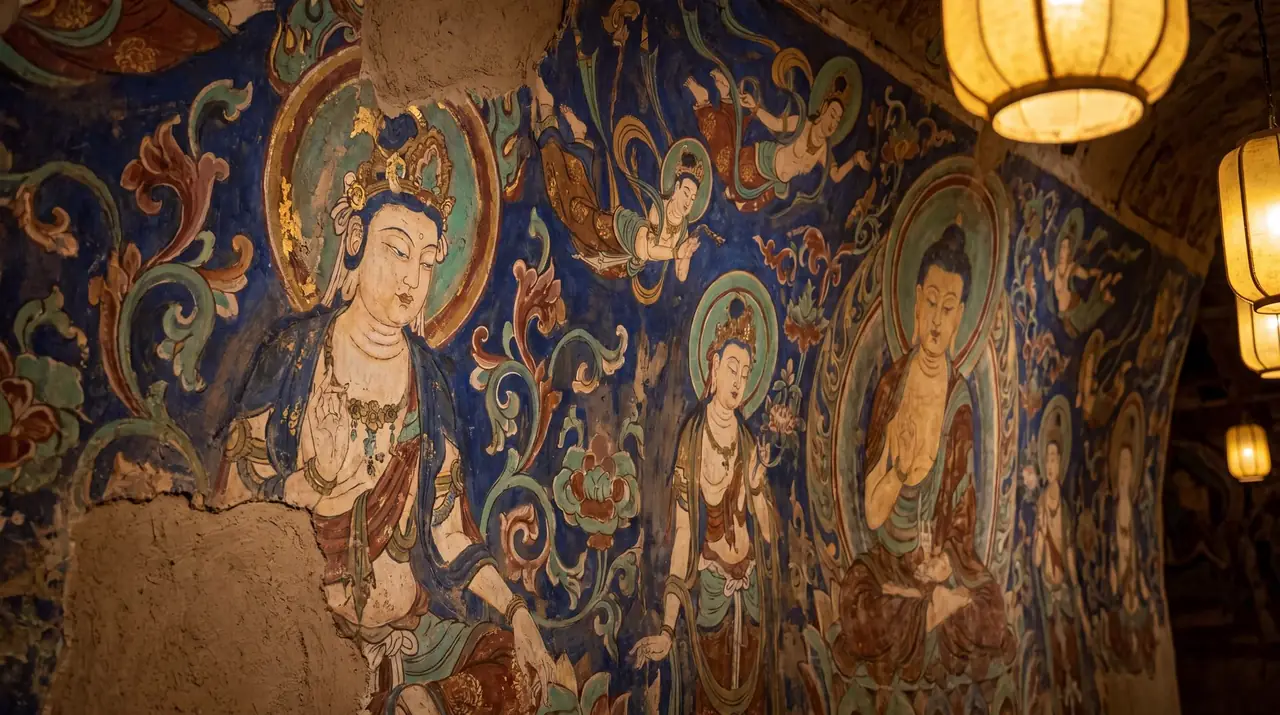
The Buddhist art of Gansu is not just beautiful — it is a visual record of how a foreign religion was gradually transformed into something distinctly Chinese. The earliest murals at Mogao show clear Indian and Persian influence; by the Tang dynasty, the Buddha looks almost Han Chinese, surrounded by celestial musicians playing instruments from across Asia. The Library Cave, sealed in the 11th century and reopened in 1900, contained manuscripts in languages from Sanskrit to Sogdian — a testament to the cosmopolitan world that once existed here.
Why it matters
The Buddhist art in Gansu represents the finest examples of Chinese Buddhist artistic achievement and cultural exchange along the Silk Road.

Tradition
Tibetan Buddhist Culture
Southern Gansu offers something rare: access to authentic Tibetan Buddhist culture without the bureaucracy and restrictions of visiting Tibet itself. Labrang Monastery is a functioning university, not a museum — thousands of monks still study logic, medicine, and debate here. The surrounding grasslands are home to Tibetan herders who maintain a way of life that has changed remarkably little in centuries. That said, tourism is growing rapidly, and Xiahe now has boutique hotels and coffee shops. The culture is real, but it is also adapting — which is not necessarily a bad thing.
Why it matters
This region preserves authentic Tibetan Buddhist traditions, architecture, and way of life, offering visitors insight into Tibetan culture without traveling to Tibet.
Tradition
Hui Muslim Culture
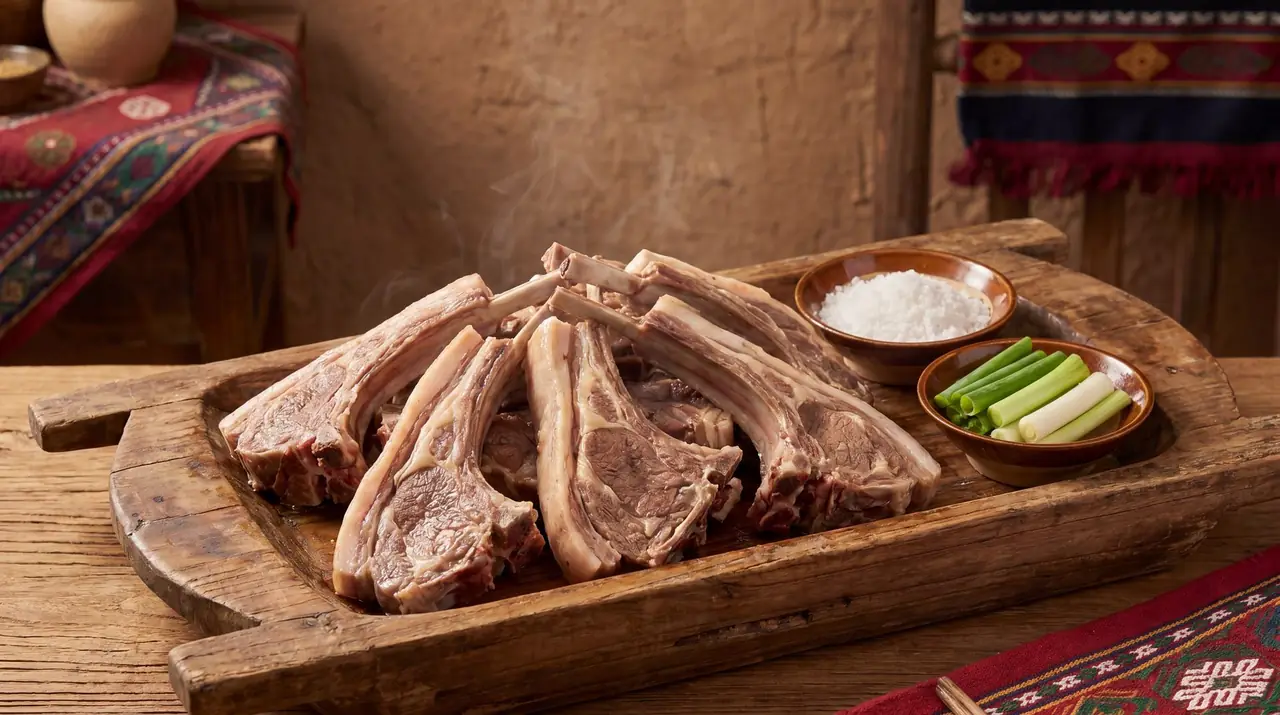
The Hui are one of the most fascinating ethnic groups in China — Muslims who speak Mandarin, wear no distinctive dress (apart from the white caps worn by men), and have created a cuisine that is simultaneously halal and unmistakably Chinese. In Gansu, they have been the dominant merchants and restaurateurs for centuries. Linxia, their cultural capital, is known as "Little Mecca" and has dozens of mosques ranging from traditional Chinese courtyard styles to modern Middle Eastern-inspired domes. The Hui are generally warm and open to visitors, and their restaurants are the best places to eat in the province.
Why it matters
Hui culture represents the successful integration of Islamic faith with Chinese cultural elements, creating a distinctive cultural identity.
History
Great Wall Heritage
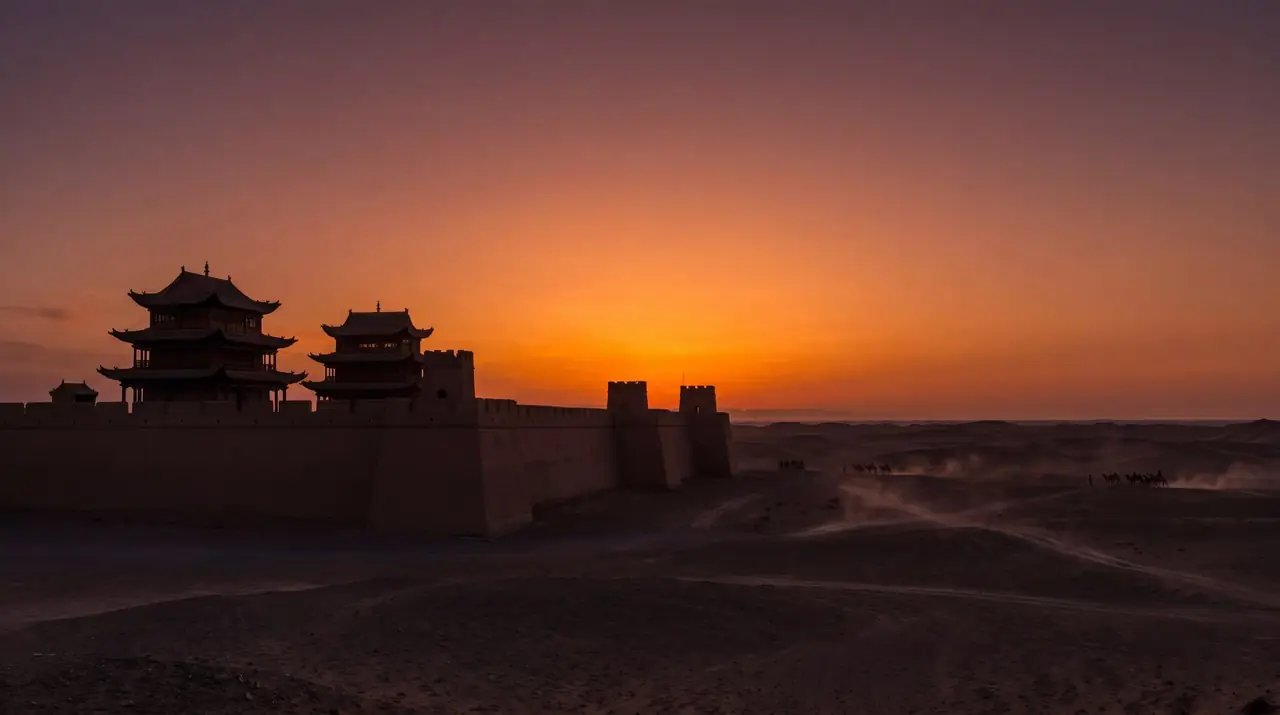
The Great Wall in Gansu is not the postcard-perfect stone structure you see near Beijing. Here it is crumbling, windswept, and often little more than a ridge of packed earth vanishing into the desert. But that is precisely what makes it compelling. At Jiayuguan, the Ming-era fortress has been restored to grandeur, but walk a few kilometers in either direction and you will find the original rammed-earth wall, slowly dissolving back into the landscape. The Han Dynasty walls are even older — 2,000-year-old ridges that once marked the absolute edge of the Chinese world.
Why it matters
The Great Wall sections in Gansu represent the military and defensive architecture that protected China's western frontier and the Silk Road.

Festival
Traditional Festivals
Gansu's festival calendar reflects its ethnic patchwork. The Tibetan Monlam Festival at Labrang draws thousands of pilgrims and turns the monastery into a sea of crimson robes. Eid al-Fitr in Linxia is a feast of lamb, sweets, and communal prayer. The Silk Road Tourism Festival in Dunhuang is more modern — part cultural celebration, part trade fair — but it does bring performances and exhibitions to the city. If you can time your visit with a festival, do it; the crowds are manageable compared to eastern China, and the atmosphere is electric.
Why it matters
These festivals showcase the rich cultural diversity of Gansu and provide opportunities for visitors to experience authentic local traditions.
Three ways culture changes the trip
These lenses usually make the itinerary feel more grounded and less like a list of isolated attractions.
Use these pages when culture starts affecting route choices
These guides and destinations help turn broad cultural interest into actual travel decisions.
City Guide
Xiahe Travel Guide: Labrang, Grasslands, and the Right Pace
Xiahe works best when you give it time for monastery rhythm, altitude adjustment, and the quieter parts of town beyond the checklist.

Destination Strategy
Tianshui and Maijishan: A Strong East Gansu Detour
Tianshui is not the province's headline city, but Maijishan makes it one of the smartest detours for travelers who care about cave art and quieter historical sites.
Food City Guide
Linxia Halal Food Guide: One of Gansu's Most Underrated Eating Stops
Linxia is one of the clearest places to understand the Hui Muslim side of Gansu through food, rhythm, and daily urban life.

Dunhuang Mogao Caves
Ancient Buddhist cave temples with exquisite murals and sculptures along the Silk Road.
Labrang Monastery
One of the most important Tibetan Buddhist monasteries outside Tibet.
Maijishan Grottoes
Dramatic cliff-carved Buddhist grottoes with thousands of ancient sculptures.

Lanzhou
Capital city of Gansu, gateway to the Silk Road on the Yellow River.
Pair culture pages with planning answers
These FAQ pages help once cultural curiosity needs to become a workable route.
How to visit Gansu?
Visiting Gansu requires some planning, but the rewards are immense. This guide covers everything from getting there to creating the perfect itinerary.

Best time to visit Gansu?
Gansu's continental climate means dramatic seasonal variations. Understanding the weather patterns will help you choose the perfect time for your visit.
What to pack for Gansu?
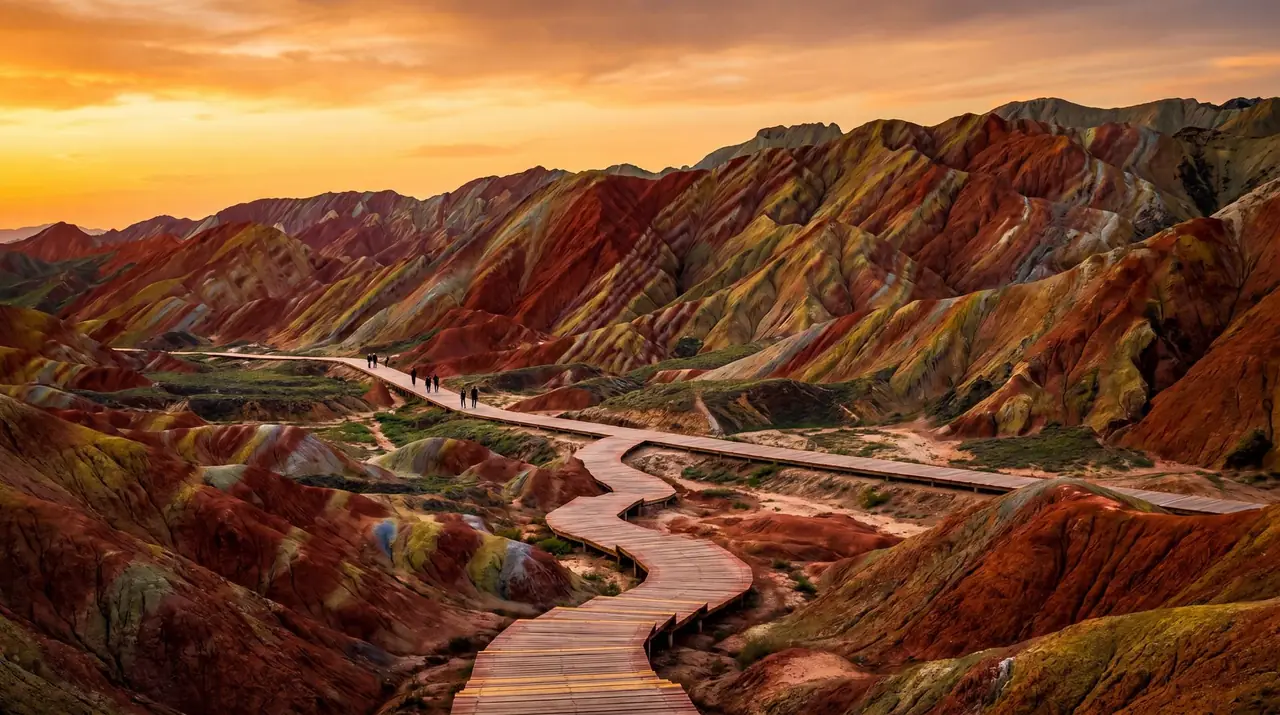
Packing for Gansu requires preparation for varying altitudes, temperatures, and outdoor activities. Here's your complete packing guide.
Want the route to reflect the province, not just the postcard stops?
If culture matters as much as scenery, send the rough itinerary and we can help shape a route with better rhythm, context, and fewer throwaway stops.
Best fit if you already know your dates, route draft, or must-keep stops.