Best Time to Visit Gansu: Season-by-Season Guide
Gansu's continental climate means dramatic seasonal variations. Understanding the weather patterns will help you choose the perfect time for your visit.
Quick answer
Gansu's continental climate means dramatic seasonal variations. Understanding the weather patterns will help you choose the perfect time for your visit.

The core question
Best time to visit Gansu?
Gansu's continental climate means dramatic seasonal variations. Understanding the weather patterns will help you choose the perfect time for your visit.
Quick takeaways
Do this next
Weather: Temperatures range from 5°C to 20°C (41°F-68°F). Days are warming up, but nights remain cool, especially in higher elevations.
Weather: Hot days (25-35°C / 77-95°F) with cool nights. The dry heat is more comfortable than humid eastern China.
Weather: Perfect temperatures (10-25°C / 50-77°F), clear skies, and minimal rainfall. The most comfortable season.
Spring (March-May)
Weather: Temperatures range from 5°C to 20°C (41°F-68°F). Days are warming up, but nights remain cool, especially in higher elevations.
Pros: Fewer tourists, blooming apricot and peach trees in rural areas, comfortable hiking weather.
Cons: Occasional sandstorms in desert areas, some high-altitude sites may still have snow.
Best For: Budget travelers, photographers seeking dramatic skies, those wanting to avoid crowds.
Summer (June-August)
Weather: Hot days (25-35°C / 77-95°F) with cool nights. The dry heat is more comfortable than humid eastern China.
Pros: All attractions open, long daylight hours, ideal for desert activities and high-altitude trekking.
Cons: Peak tourist season, higher prices, popular sites can be crowded, especially Mogao Caves.
Best For: Families, those wanting guaranteed access to all sites, travelers combining Gansu with other destinations.
Autumn (September-October)
Weather: Perfect temperatures (10-25°C / 50-77°F), clear skies, and minimal rainfall. The most comfortable season.
Pros: Ideal photography conditions with clear air, harvest season means fresh local produce, fewer crowds than summer.
Cons: October 1-7 is Golden Week - avoid this period due to domestic tourism surge.
Best For: Photography enthusiasts, hikers, food lovers, and anyone seeking the best overall experience.
Winter (November-February)
Weather: Cold (-10°C to 5°C / 14-41°F), with snow in higher elevations. Desert areas remain dry but freezing.
Pros: Lowest prices, empty tourist sites, potential snow-covered landscapes, authentic local experiences.
Cons: Some attractions have reduced hours, cold temperatures require proper gear, limited transportation options.
Best For: Budget travelers, photographers wanting unique winter shots, those seeking solitude at major sites.
Related questions

FAQ
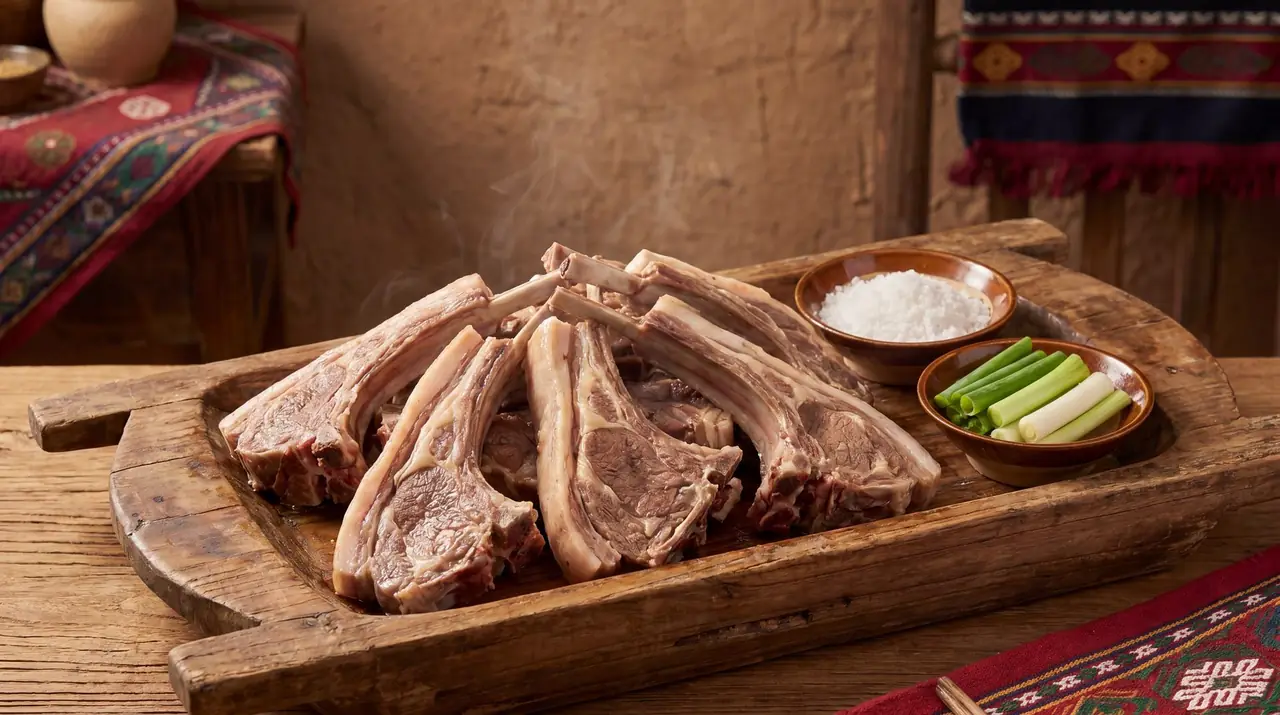
How to visit Gansu?
Visiting Gansu requires some planning, but the rewards are immense. This guide covers everything from getting there to creating the perfect itinerary.
Read answer
FAQ
Gansu weather and sandstorms?
Weather in Gansu matters because the province covers desert corridors, river cities, and high-altitude south. Sandstorms are real in spring, but they are only one part of the planning picture.
Read answer
FAQ
What to pack for Gansu?
Packing for Gansu requires preparation for varying altitudes, temperatures, and outdoor activities. Here's your complete packing guide.
Read answer
Go deeper with guides

Booking Guide
How to Book Mogao Caves Tickets Without Wasting the Trip
Mogao is one of the few places in Gansu where poor booking timing can genuinely weaken the trip, so it is worth planning this stop properly.
Open guide
Photography Timing
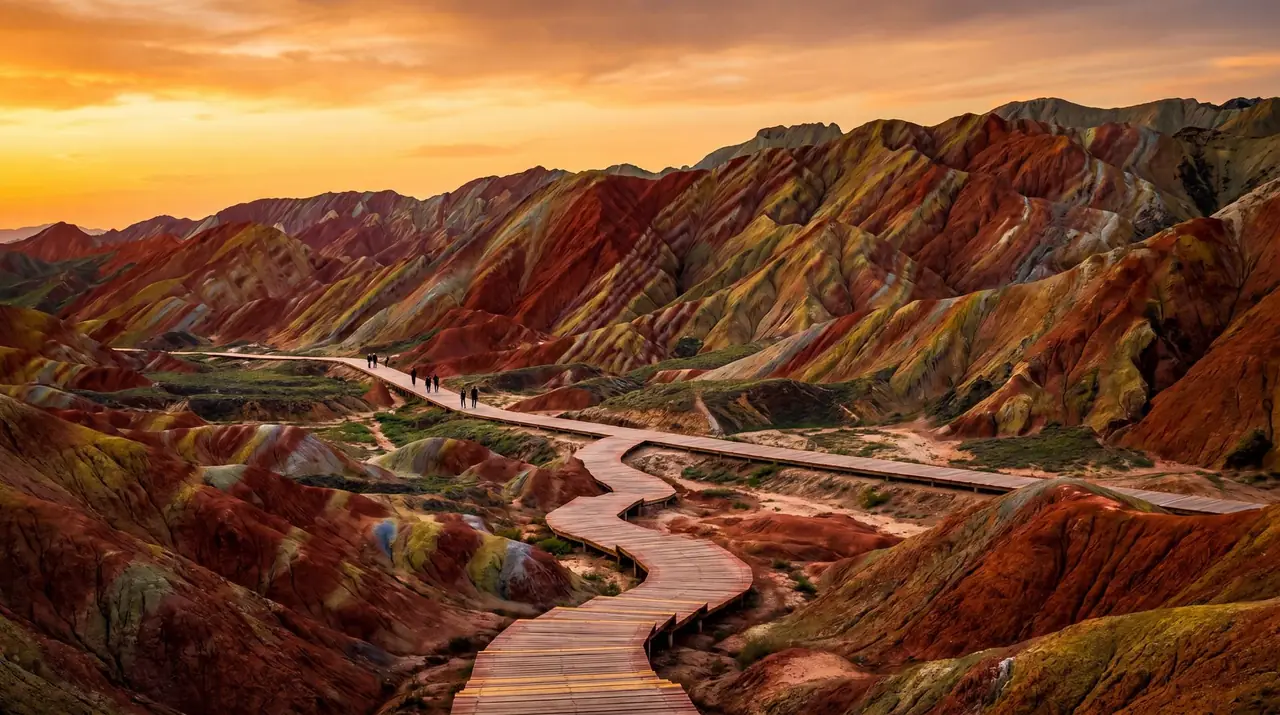
Zhangye Danxia Sunrise Guide: Timing, Light, and What Matters
The Rainbow Mountains are strongest when the light is right. Sunrise is not mandatory for everyone, but it changes the experience dramatically.
Open guide
Relevant destinations

Want this answer applied to your route?
If you are past the research stage and need help turning these answers into an actual itinerary, send us your draft plan.
Best fit if you already know your dates, route draft, or must-keep stops.