The same province feels different depending on who is traveling
A route that works for a solo traveler might exhaust a family. A stop that thrills a couple might bore a senior. These pages match the province to the traveler, not the other way around.
Match the route to the traveler
Each traveler type page covers pacing, comfort level, which stops shine, and which ones are worth skipping for that specific group.

Traveler Type
Gansu for Solo Travelers: Independence, Safety, and Making the Route Work Alone
Gansu is one of the better Chinese provinces for solo travel. It is safe, the main route is a straight line, and the infrastructure is solid. The challenges are specific — solo dining, driver costs, and occasional loneliness in remote stops — but they are manageable with the right expectations.

Traveler Type
Gansu for Couples: Routes That Balance Romance With Realistic Pacing
Gansu is not a classic couples destination in the way that, say, Dali or Yangshuo can be. But for couples who bond over big landscapes, shared discovery, and the rhythm of long-distance travel, it is quietly excellent. The key is pacing the trip so it feels like a journey together rather than a logistics exercise.

Traveler Type
Gansu With Kids: A Realistic Family Route That Does Not Overpromise
Gansu with kids is entirely doable, but it requires a different pace, different expectations, and a willingness to cut the itinerary in half. The province rewards patient family travel. The key is picking sites that work for children's attention spans and building in genuine downtime.
Traveler Type
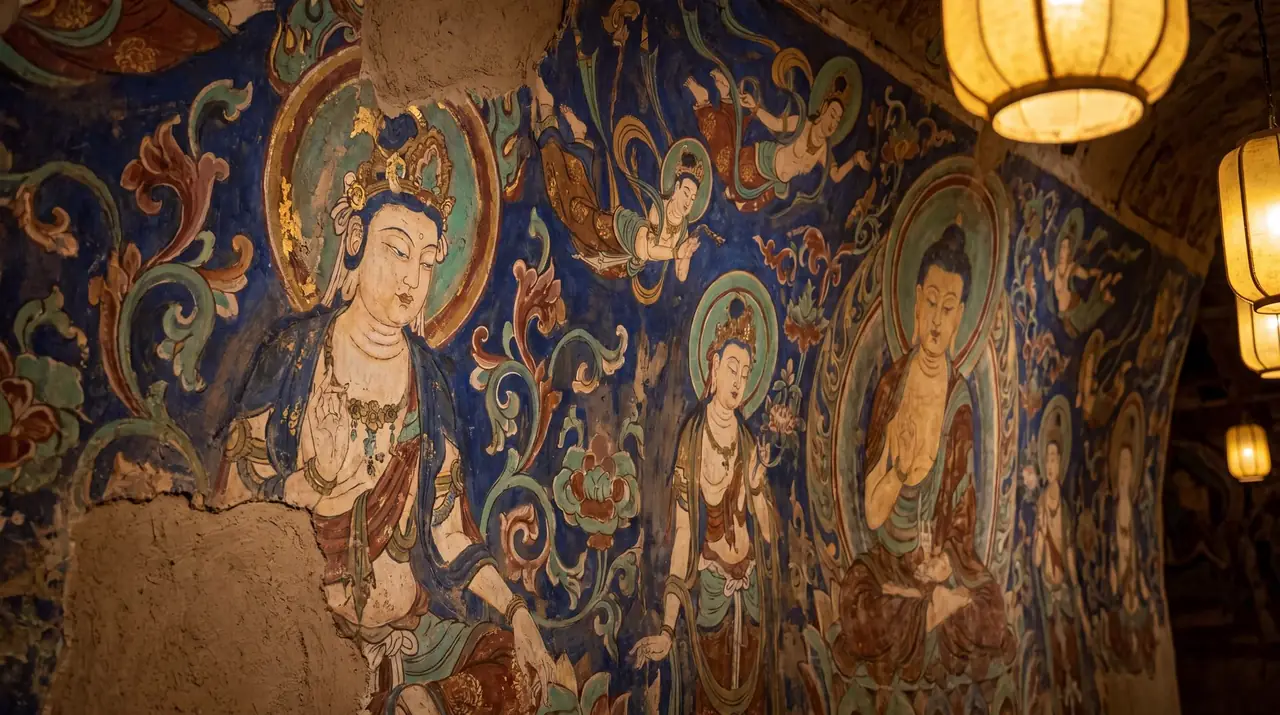
Gansu for Older Travelers: Comfort, Pace, and Route Design That Respects Energy
Gansu can be an excellent destination for older travelers — the sites are spectacular, the trains are comfortable, and the pace can be adjusted to any energy level. The key principles: fewer stops, better hotels, more recovery time, and zero guilt about skipping the strenuous bits.

Traveler Type
Gansu With Friends: Group Dynamics, Cost Splitting, and Keeping the Vibe Right
Gansu with friends can be the best version of the trip — shared costs, shared discoveries, someone to split that whole lamb with. But group travel also amplifies every planning weakness. The route needs to be clear before you arrive, because democratic decision-making on the ground in a foreign province is not as fun as it sounds.

Traveler Type
Gansu on a Budget: Where to Save, Where Spending More Actually Saves You Money
Gansu is one of the more affordable Chinese provinces to travel. You can do it well on 250-400 yuan per day excluding long-distance trains. The key is knowing where cheap is fine (noodles, trains, most ticket prices) and where cheap is a false economy (some hotels, some transport shortcuts, skipping booking fees).
Traveler Type
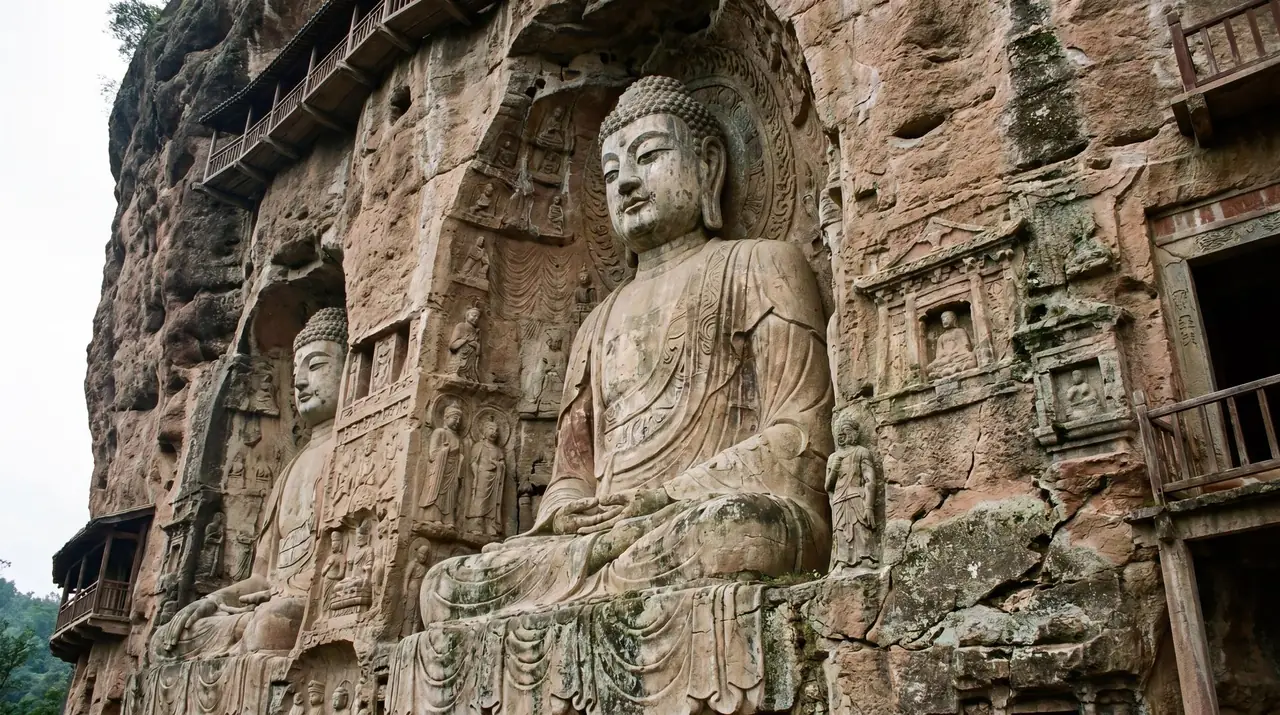
Gansu for Photographers: Light, Timing, and the Shots Worth Planning Around
Gansu is a serious photography destination. The light is extraordinary — dry air, high altitude, and low humidity create clarity and color saturation that coastal and tropical destinations cannot match. The challenge is timing: the best light at each site hits at different hours, and a photographer's schedule looks nothing like a standard tourist itinerary.

Traveler Type
Gansu for Slow Travelers: Fewer Stops, Longer Stays, and the Trip That Actually Breathes
Most Gansu itineraries are too fast. Five cities in seven days is a checklist, not a trip. Slow travel in Gansu means picking two or three bases and staying long enough to learn the morning noodle lady's name, to find the back streets the tour buses miss, and to let the landscape become familiar rather than just impressive.
Which traveler type are you?
If you are not sure which page to start with, these signals can help.
“Traveling alone and flexible on pace”
→ Solo travelers
“Traveling as a pair and want romance without clichés”
→ Couples
“Bringing kids and need to manage energy and logistics”
→ Families
“Over 60 or traveling with older parents”
→ Seniors

Traveling with a group that does not fit a single category?
If your group mixes traveler types and you need help balancing the route, send us your situation and we can help.
Best fit if you already know your dates, route draft, or must-keep stops.