Tibetan Buddhist Culture
Southern Gansu offers something rare: access to authentic Tibetan Buddhist culture without the bureaucracy and restrictions of visiting Tibet itself. Labrang Monastery is a functioning university, not a museum — thousands of monks still study logic, medicine, and debate here. The surrounding grasslands are home to Tibetan herders who maintain a way of life that has changed remarkably little in centuries. That said, tourism is growing rapidly, and Xiahe now has boutique hotels and coffee shops. The culture is real, but it is also adapting — which is not necessarily a bad thing.
Quick read
Southern Gansu gives travelers one of the most accessible ways to experience living Tibetan Buddhist culture without pretending the place exists only for tourism.

Why It Changes The Trip
This layer is what turns a simple Hexi Corridor run into a wider and more emotionally varied route, but only if you give it slower time and more respectful pacing.
This region preserves authentic Tibetan Buddhist traditions, architecture, and way of life, offering visitors insight into Tibetan culture without traveling to Tibet.
The point is not only monastery architecture. It is the daily rhythm: prayer circuits, debate, altitude, weather, and the fact that Labrang is a working institution.
Best Way To Read It On The Ground
Arrive with enough time for one slower morning instead of only an in-and-out stop.
Read monastery etiquette before arrival so the visit feels calmer and more respectful.
Treat altitude and cold as part of the experience design, not as background detail.

Key Facts That Actually Matter
Where This Lands Best
Planning Answers To Pair With It

Best time to visit Gansu?
Gansu's continental climate means dramatic seasonal variations. Understanding the weather patterns will help you choose the perfect time for your visit.
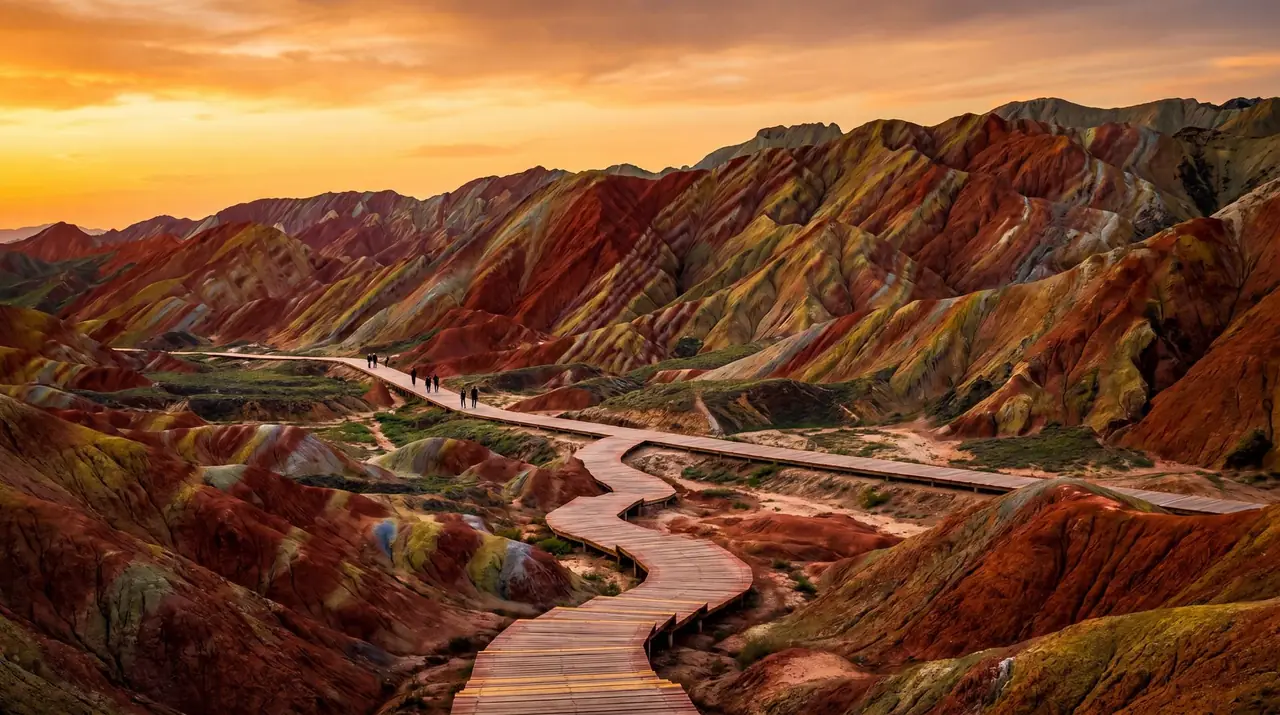
What to pack for Gansu?
Packing for Gansu requires preparation for varying altitudes, temperatures, and outdoor activities. Here's your complete packing guide.
More Culture Threads

Silk Road History
The Silk Road brought Buddhism to China, facilitated cultural exchange, and made Gansu a melting pot of different civilizations.
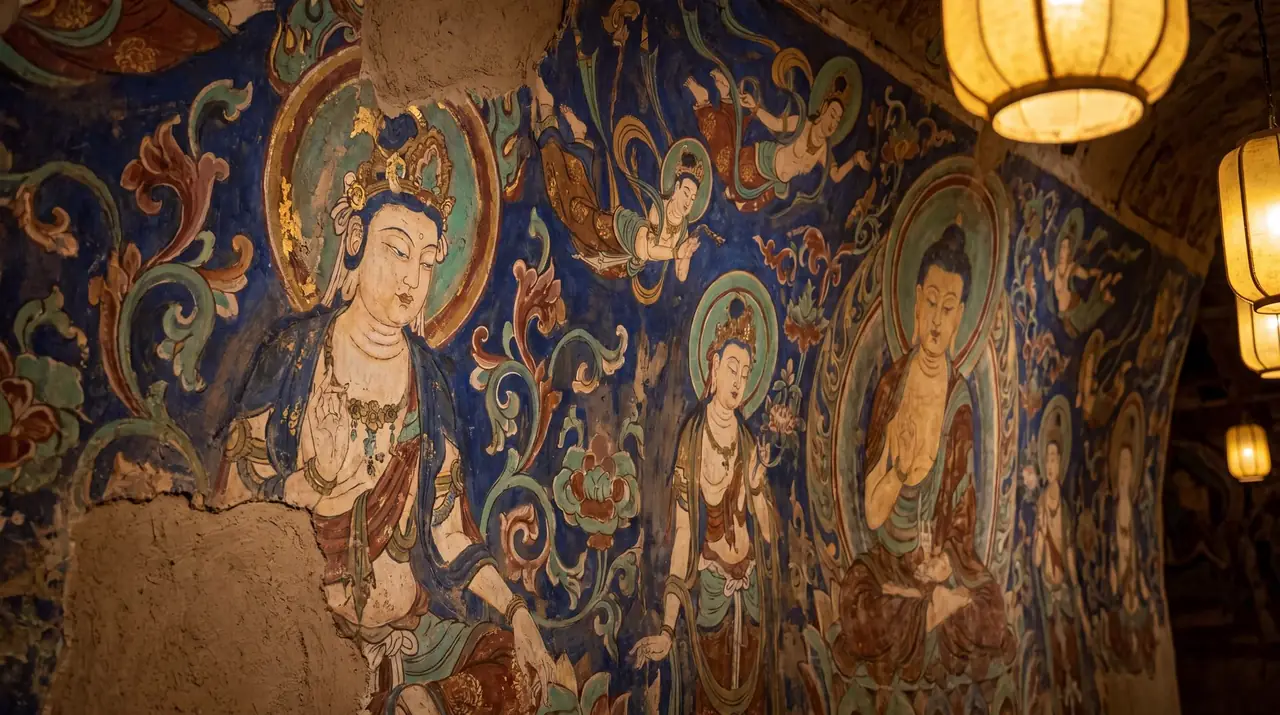
Buddhist Art Heritage
The Buddhist art in Gansu represents the finest examples of Chinese Buddhist artistic achievement and cultural exchange along the Silk Road.
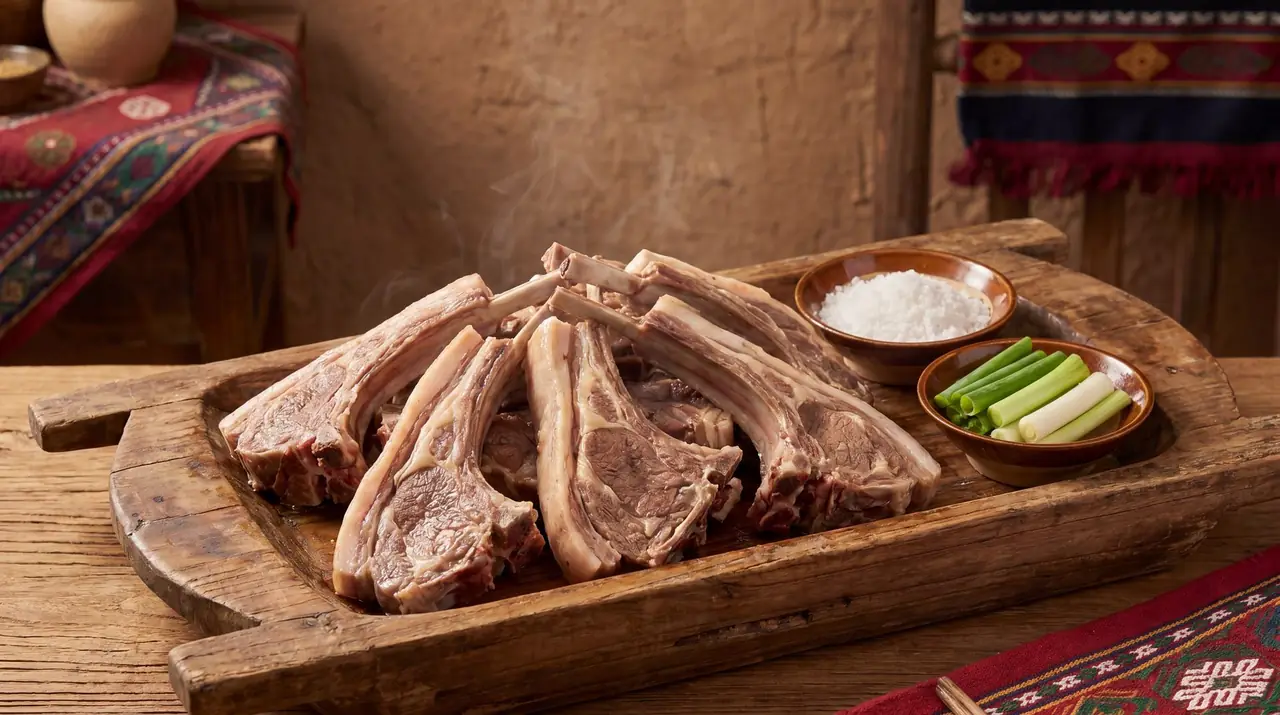
Hui Muslim Culture
Hui culture represents the successful integration of Islamic faith with Chinese cultural elements, creating a distinctive cultural identity.
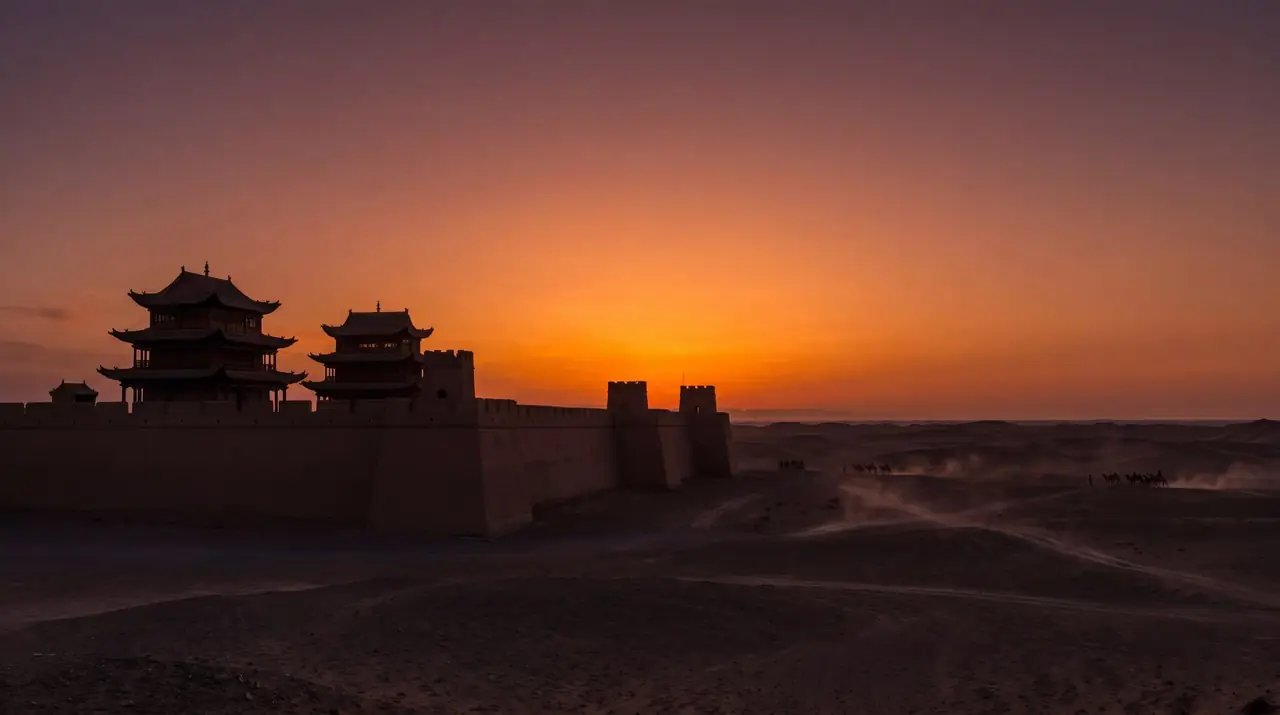
Great Wall Heritage
The Great Wall sections in Gansu represent the military and defensive architecture that protected China's western frontier and the Silk Road.

Want the route to feel more rooted in the province, not just more scenic?
If culture matters as much as the headline sights, send the rough route and we can help shape a version with better context and rhythm.
Best fit if you already know your dates, route draft, or must-keep stops.