Hui Muslim Culture
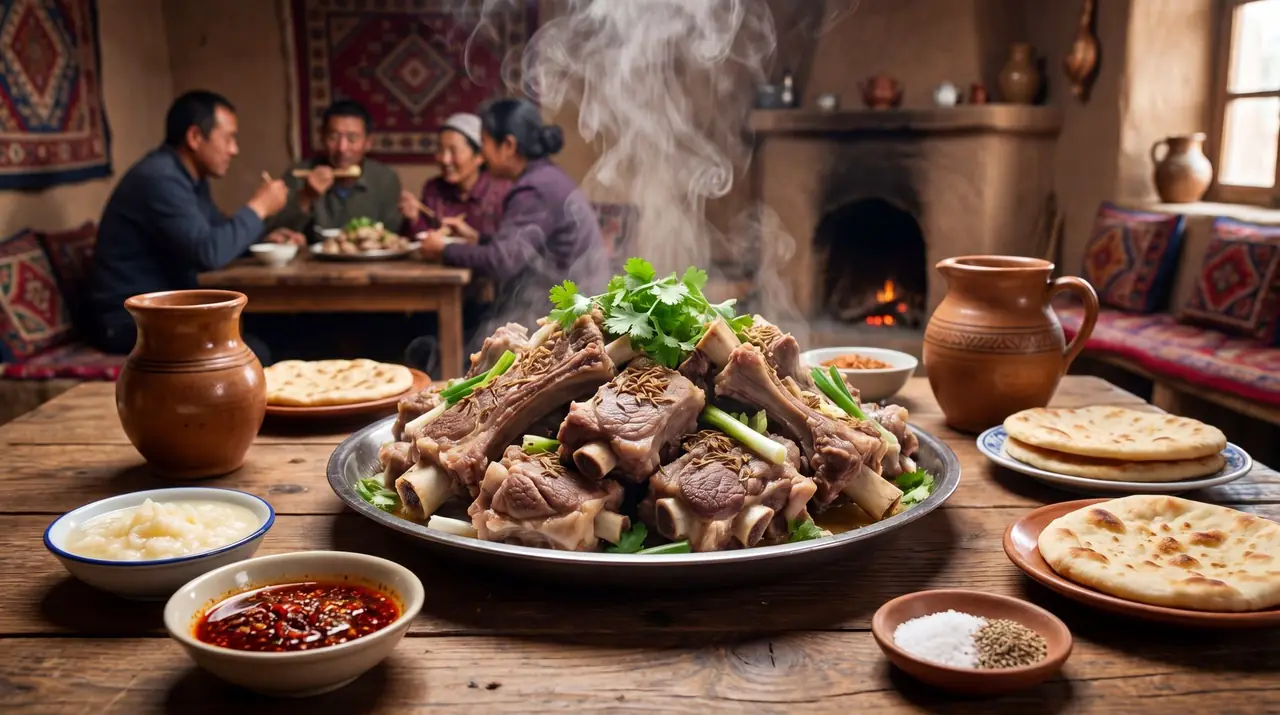
The Hui are one of the most fascinating ethnic groups in China — Muslims who speak Mandarin, wear no distinctive dress (apart from the white caps worn by men), and have created a cuisine that is simultaneously halal and unmistakably Chinese. In Gansu, they have been the dominant merchants and restaurateurs for centuries. Linxia, their cultural capital, is known as "Little Mecca" and has dozens of mosques ranging from traditional Chinese courtyard styles to modern Middle Eastern-inspired domes. The Hui are generally warm and open to visitors, and their restaurants are the best places to eat in the province.
Quick read
Hui Muslim culture is one of the clearest reasons Gansu feels distinct. It shapes food, neighborhood rhythm, architecture, and everyday hospitality across much of the province.
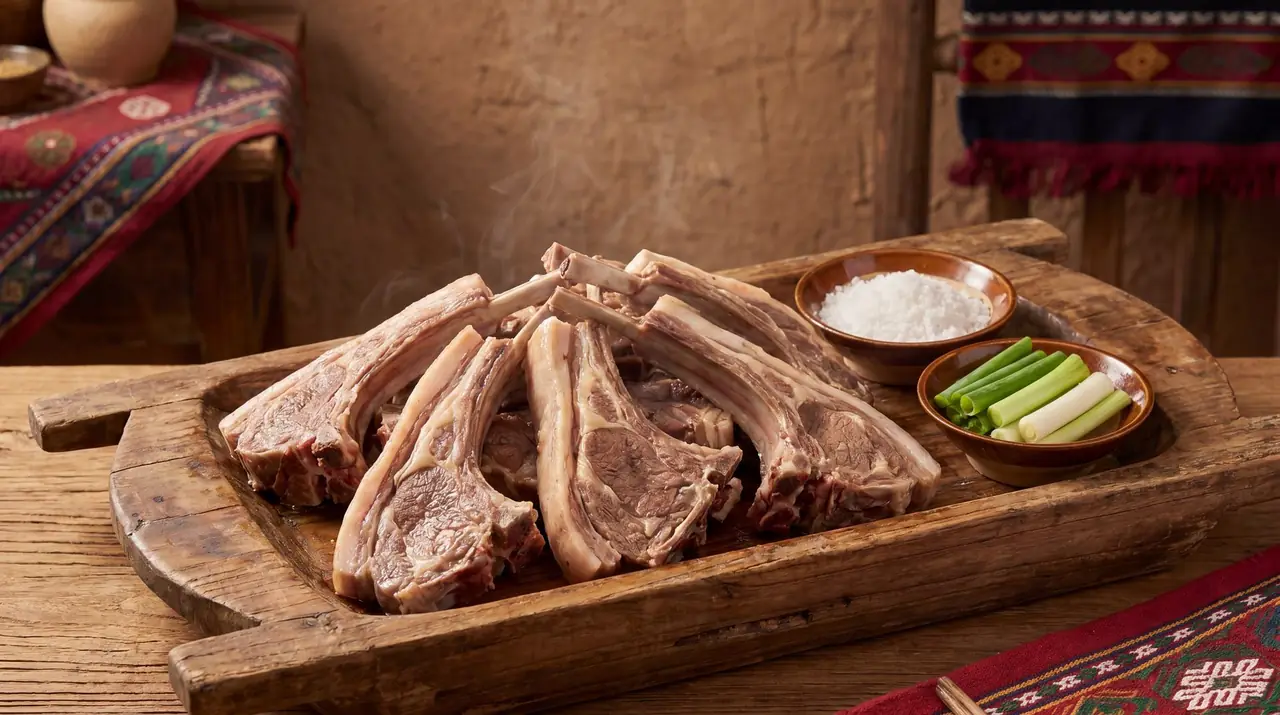
Why It Changes The Trip
This thread deepens the trip beyond monuments because it links Lanzhou and Linxia to real living systems of eating, faith, and trade.
Hui culture represents the successful integration of Islamic faith with Chinese cultural elements, creating a distinctive cultural identity.
Many first-time visitors reduce Hui culture to halal food alone. The stronger understanding is that it changes how whole districts sound, smell, gather, and move.
Best Way To Read It On The Ground
Read the city through tea houses, mosques, breakfast rooms, and market streets, not only through one famous meal.
Use Lanzhou as the easiest introduction and Linxia as the deeper food-and-faith extension.
Behave more like a guest in a lived neighborhood than a spectator collecting visuals.
Key Facts That Actually Matter
Where This Lands Best
Planning Answers To Pair With It

What to eat in Gansu?
Gansu's cuisine reflects its position on the Silk Road, blending Chinese, Hui Muslim, and Tibetan influences into unique and delicious dishes you won't find anywhere else.

How to visit Gansu?
Visiting Gansu requires some planning, but the rewards are immense. This guide covers everything from getting there to creating the perfect itinerary.
Halal restaurants in Gansu?
Halal food in Gansu is not a niche workaround. In many parts of the province it is the mainstream street-level system: noodles, lamb, breads, soups, grills, and tea shaped by Hui Muslim life.
Guides That Go Deeper
Linxia Halal Food Guide: One of Gansu's Most Underrated Eating Stops
Linxia is one of the clearest places to understand the Hui Muslim side of Gansu through food, rhythm, and daily urban life.
Lanzhou Layover Guide: What to Do With One Full Day
Lanzhou is more than a transfer node. One solid day is enough to understand why the city matters to the province.
More Culture Threads
Silk Road History
The Silk Road brought Buddhism to China, facilitated cultural exchange, and made Gansu a melting pot of different civilizations.
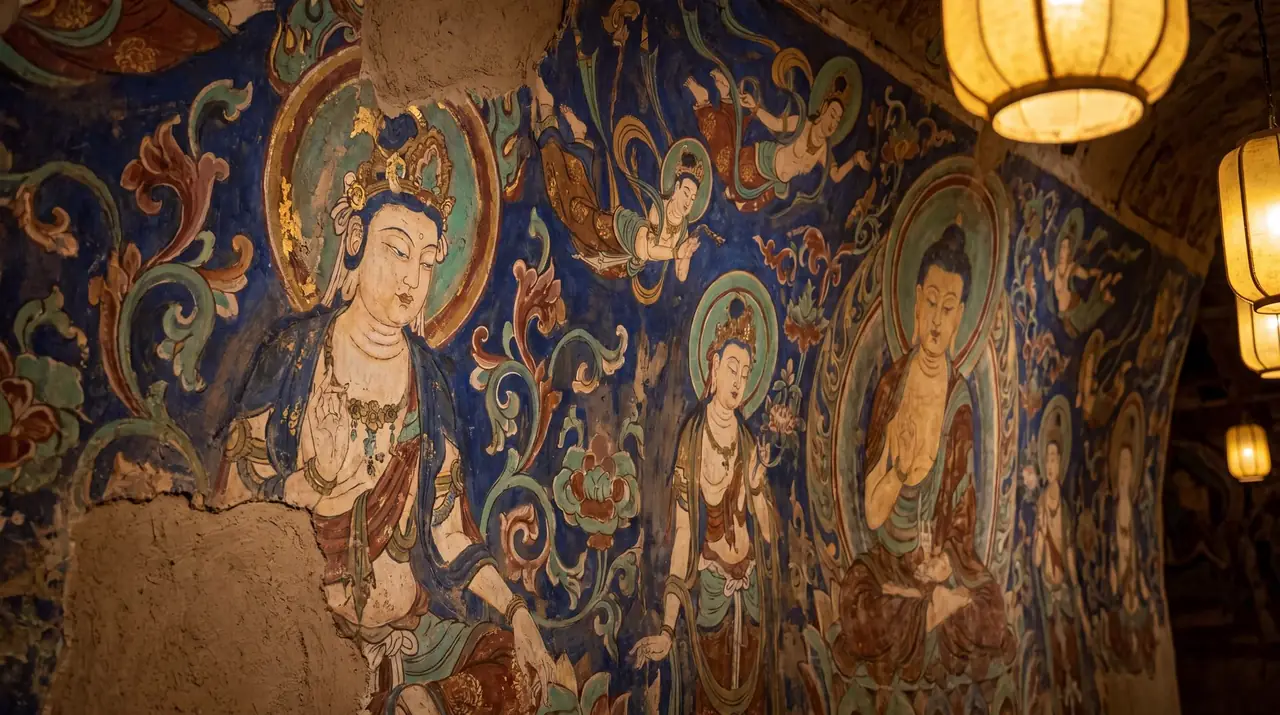
Buddhist Art Heritage
The Buddhist art in Gansu represents the finest examples of Chinese Buddhist artistic achievement and cultural exchange along the Silk Road.

Tibetan Buddhist Culture
This region preserves authentic Tibetan Buddhist traditions, architecture, and way of life, offering visitors insight into Tibetan culture without traveling to Tibet.
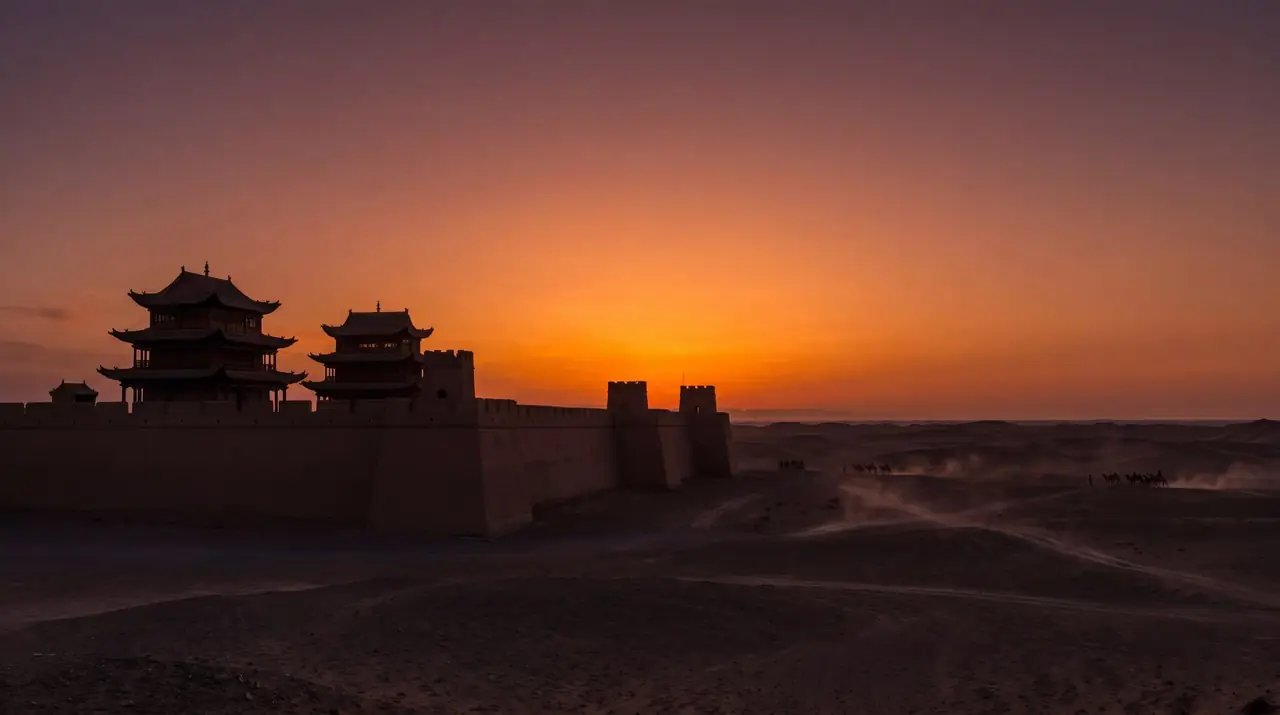
Great Wall Heritage
The Great Wall sections in Gansu represent the military and defensive architecture that protected China's western frontier and the Silk Road.

Want the route to feel more rooted in the province, not just more scenic?
If culture matters as much as the headline sights, send the rough route and we can help shape a version with better context and rhythm.
Best fit if you already know your dates, route draft, or must-keep stops.