Silk Road History
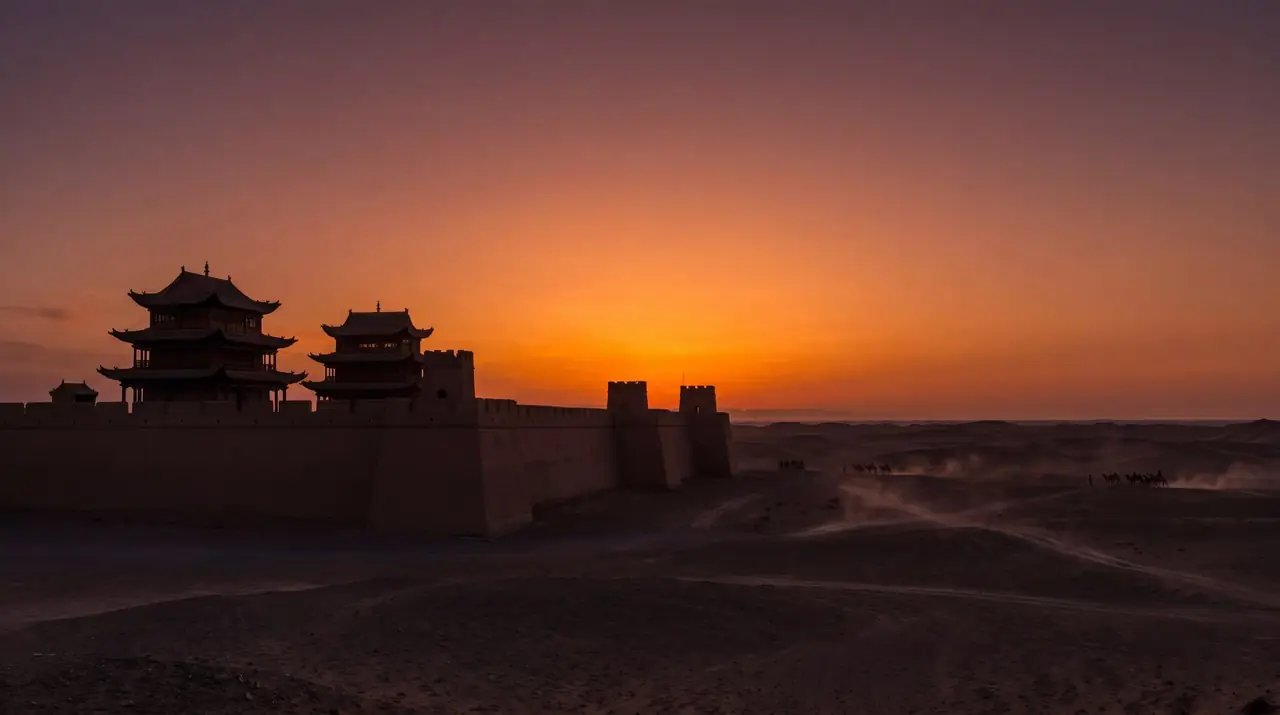
The Silk Road was never a single road — it was a network of trails, some well-trodden, some barely passable, that carried goods, ideas, and religions across Asia for over a millennium. Gansu's Hexi Corridor was the chokepoint: a narrow strip of fertile land between the Tibetan Plateau and the Gobi Desert that every caravan had to pass through. The evidence is still everywhere — in the ruined forts dotting the desert, the Buddhist caves carved by traveling monks, and the faces of local people who carry genetic traces of traders from Rome to Samarkand.
Quick read
The Silk Road only starts to make sense in Gansu when you stop imagining a single line and start seeing a corridor that shaped forts, faith, trade, and daily survival.

Why It Changes The Trip
This lens makes the whole province feel coherent. It is what turns Lanzhou, Jiayuguan, Dunhuang, and Maijishan into chapters of one route instead of scattered stops.
The Silk Road brought Buddhism to China, facilitated cultural exchange, and made Gansu a melting pot of different civilizations.
Many travelers use 'Silk Road' as a decorative phrase. The stronger version is to notice what movement across difficult terrain demanded and how that still shapes the geography of the trip.
Best Way To Read It On The Ground
Pair Jiayuguan, Dunhuang, and one cave-art stop instead of treating them as unrelated attractions.
Notice where water, walls, and passes still explain why towns existed at all.
Use museums and site intros to understand route continuity, not just dates and dynasties.

Key Facts That Actually Matter
Where This Lands Best
Planning Answers To Pair With It
How to visit Gansu?
Visiting Gansu requires some planning, but the rewards are immense. This guide covers everything from getting there to creating the perfect itinerary.

7-day Gansu itinerary?
This comprehensive 7-day itinerary adds Tibetan culture at Labrang Monastery and the Maijishan Grottoes to the classic Hexi Corridor route.
How to get around Gansu?
Gansu's transportation network has improved dramatically with high-speed rail connecting major destinations. Here's how to navigate the province.
Guides That Go Deeper
Tianshui and Maijishan: A Strong East Gansu Detour
Tianshui is not the province's headline city, but Maijishan makes it one of the smartest detours for travelers who care about cave art and quieter historical sites.

How to Book Mogao Caves Tickets Without Wasting the Trip
Mogao is one of the few places in Gansu where poor booking timing can genuinely weaken the trip, so it is worth planning this stop properly.
More Culture Threads
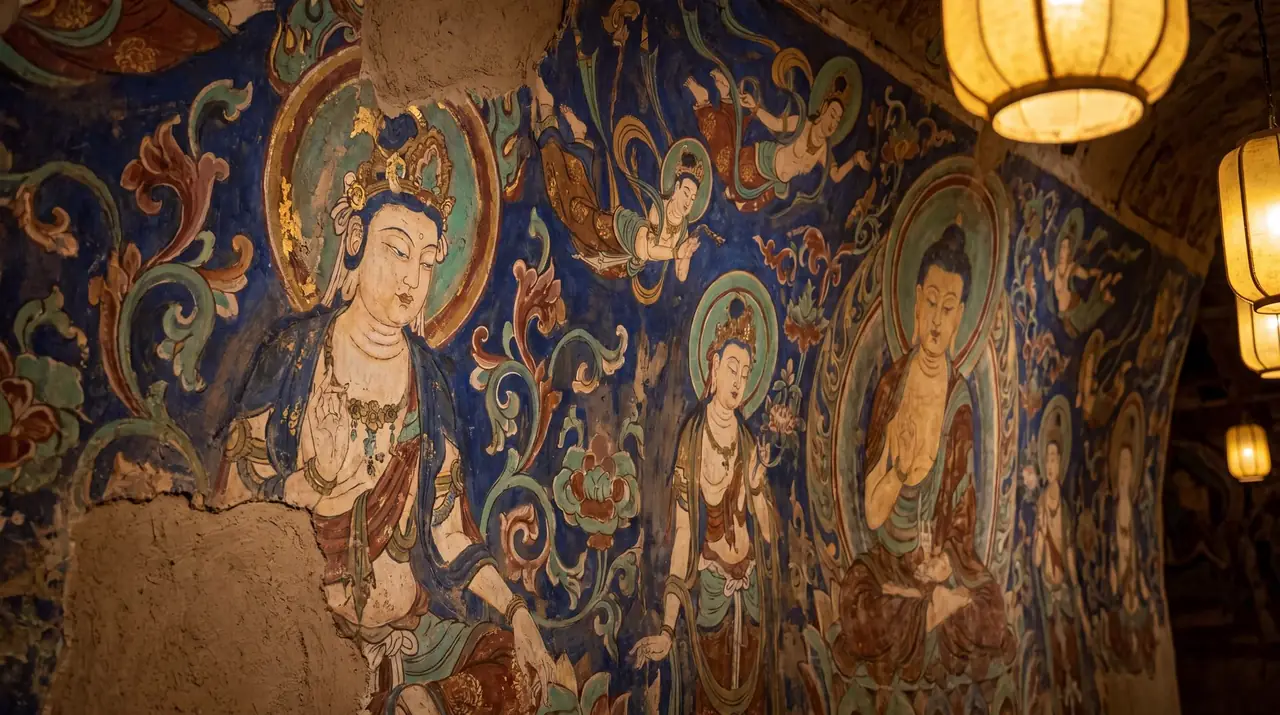
Buddhist Art Heritage
The Buddhist art in Gansu represents the finest examples of Chinese Buddhist artistic achievement and cultural exchange along the Silk Road.

Tibetan Buddhist Culture
This region preserves authentic Tibetan Buddhist traditions, architecture, and way of life, offering visitors insight into Tibetan culture without traveling to Tibet.
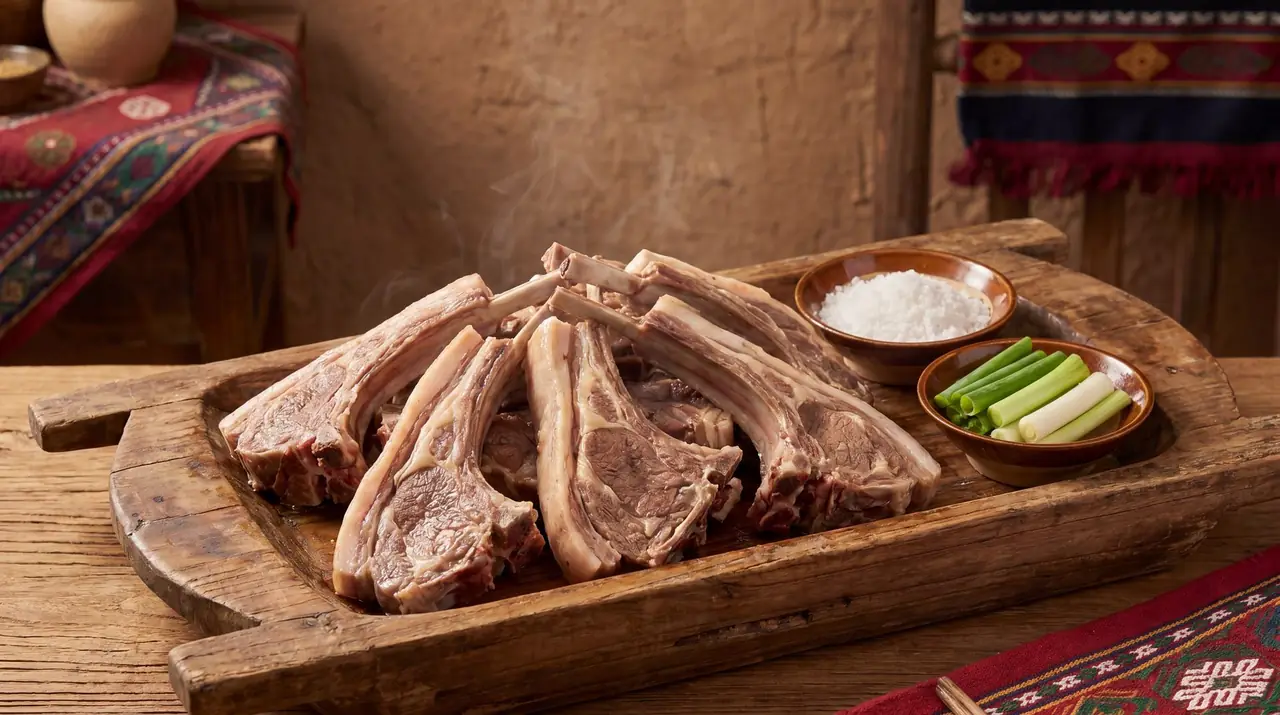
Hui Muslim Culture
Hui culture represents the successful integration of Islamic faith with Chinese cultural elements, creating a distinctive cultural identity.
Great Wall Heritage
The Great Wall sections in Gansu represent the military and defensive architecture that protected China's western frontier and the Silk Road.

Want the route to feel more rooted in the province, not just more scenic?
If culture matters as much as the headline sights, send the rough route and we can help shape a version with better context and rhythm.
Best fit if you already know your dates, route draft, or must-keep stops.