Buddhist Art Heritage
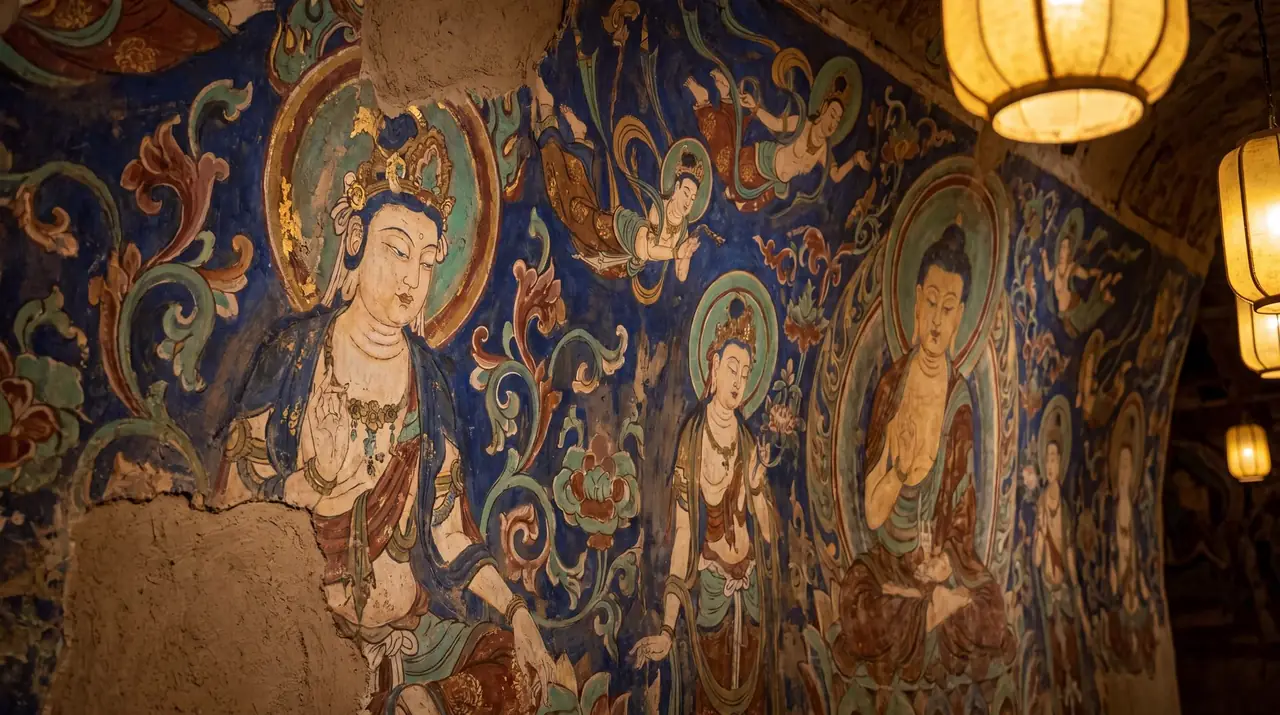
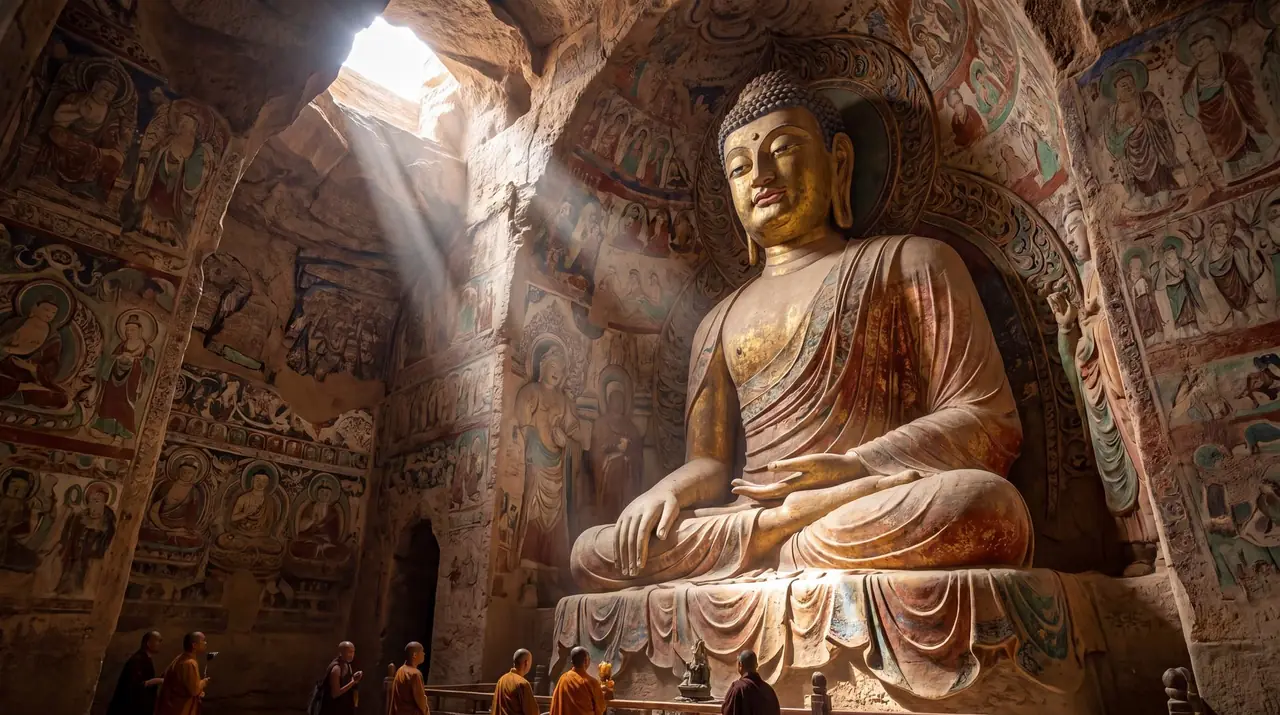
The Buddhist art of Gansu is not just beautiful — it is a visual record of how a foreign religion was gradually transformed into something distinctly Chinese. The earliest murals at Mogao show clear Indian and Persian influence; by the Tang dynasty, the Buddha looks almost Han Chinese, surrounded by celestial musicians playing instruments from across Asia. The Library Cave, sealed in the 11th century and reopened in 1900, contained manuscripts in languages from Sanskrit to Sogdian — a testament to the cosmopolitan world that once existed here.
Quick read
Buddhist art in Gansu is not just decorative beauty. It is a visual record of how ideas moved, adapted, and settled across centuries of exchange.
Why It Changes The Trip
This thread helps travelers decide why cave sites deserve real time, not just a rushed photo stop between transport legs.
The Buddhist art in Gansu represents the finest examples of Chinese Buddhist artistic achievement and cultural exchange along the Silk Road.
People often focus on scale and fame. The stronger insight is to notice style change, religious use, and the way these caves reflect contact with India, Central Asia, and northern China.
Best Way To Read It On The Ground
Do not stack too many cave or monastery sites back to back without time to absorb them.
Read one site well rather than skimming every cave complex as if they are interchangeable.
Use Maijishan and Mogao together if you want to feel stylistic difference, not just checklist completion.
Key Facts That Actually Matter
Where This Lands Best
Planning Answers To Pair With It

How to visit Gansu?
Visiting Gansu requires some planning, but the rewards are immense. This guide covers everything from getting there to creating the perfect itinerary.

Best time to visit Gansu?
Gansu's continental climate means dramatic seasonal variations. Understanding the weather patterns will help you choose the perfect time for your visit.

5-day Gansu itinerary?
This 5-day itinerary covers the essential highlights of Gansu's Hexi Corridor, from Lanzhou's noodles to Dunhuang's ancient caves.
Guides That Go Deeper

Tianshui and Maijishan: A Strong East Gansu Detour
Tianshui is not the province's headline city, but Maijishan makes it one of the smartest detours for travelers who care about cave art and quieter historical sites.

How to Book Mogao Caves Tickets Without Wasting the Trip
Mogao is one of the few places in Gansu where poor booking timing can genuinely weaken the trip, so it is worth planning this stop properly.
More Culture Threads
Silk Road History
The Silk Road brought Buddhism to China, facilitated cultural exchange, and made Gansu a melting pot of different civilizations.

Tibetan Buddhist Culture
This region preserves authentic Tibetan Buddhist traditions, architecture, and way of life, offering visitors insight into Tibetan culture without traveling to Tibet.
Hui Muslim Culture
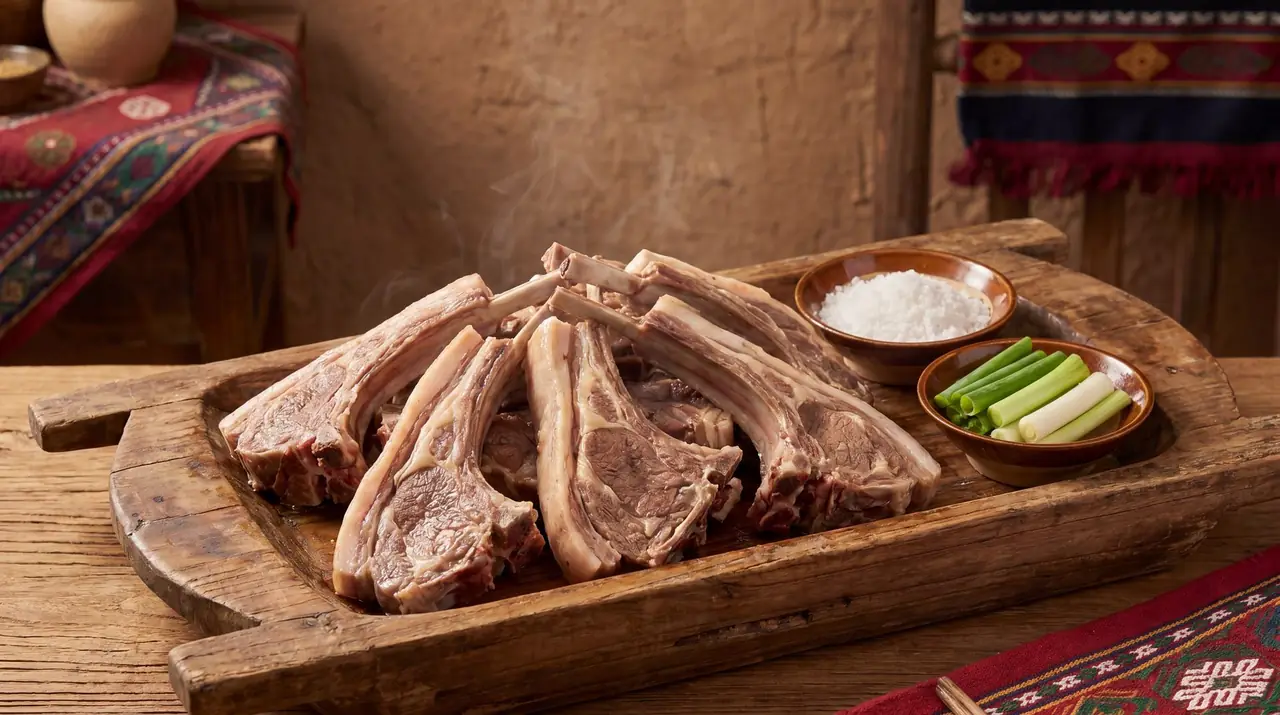
Hui culture represents the successful integration of Islamic faith with Chinese cultural elements, creating a distinctive cultural identity.
Great Wall Heritage
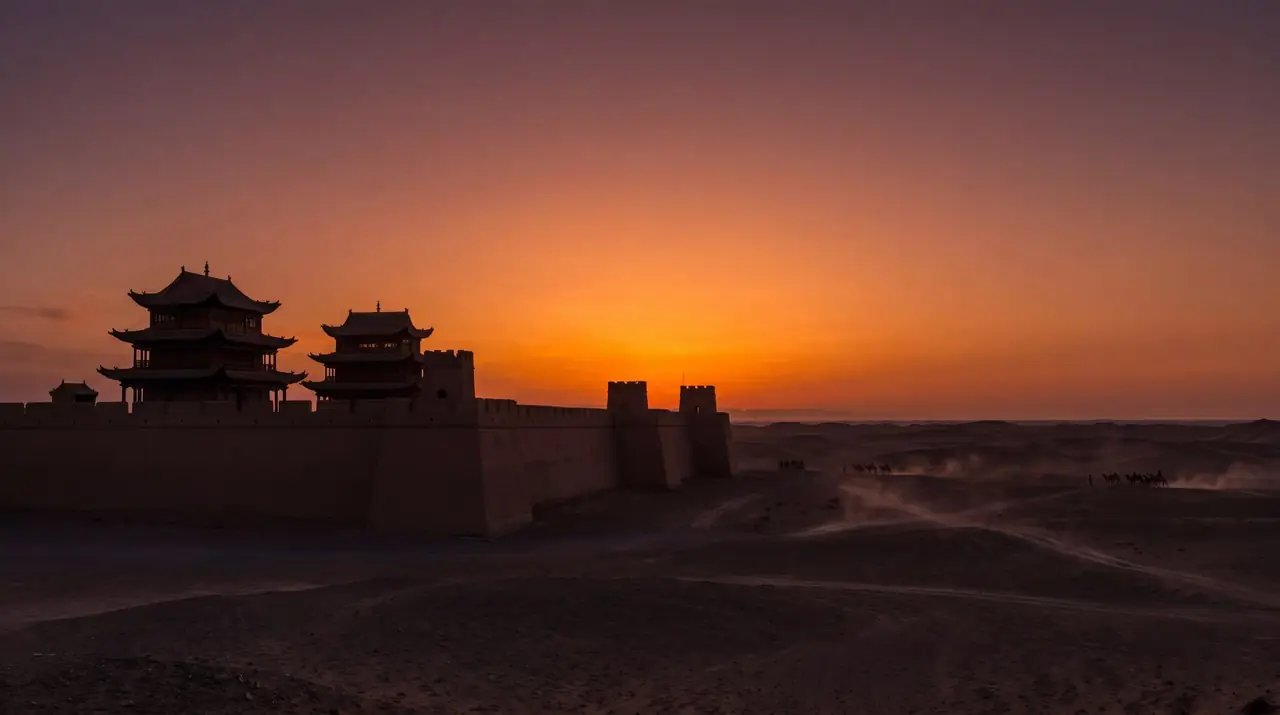
The Great Wall sections in Gansu represent the military and defensive architecture that protected China's western frontier and the Silk Road.
Want the route to feel more rooted in the province, not just more scenic?
If culture matters as much as the headline sights, send the rough route and we can help shape a version with better context and rhythm.
Best fit if you already know your dates, route draft, or must-keep stops.