Great Wall Heritage
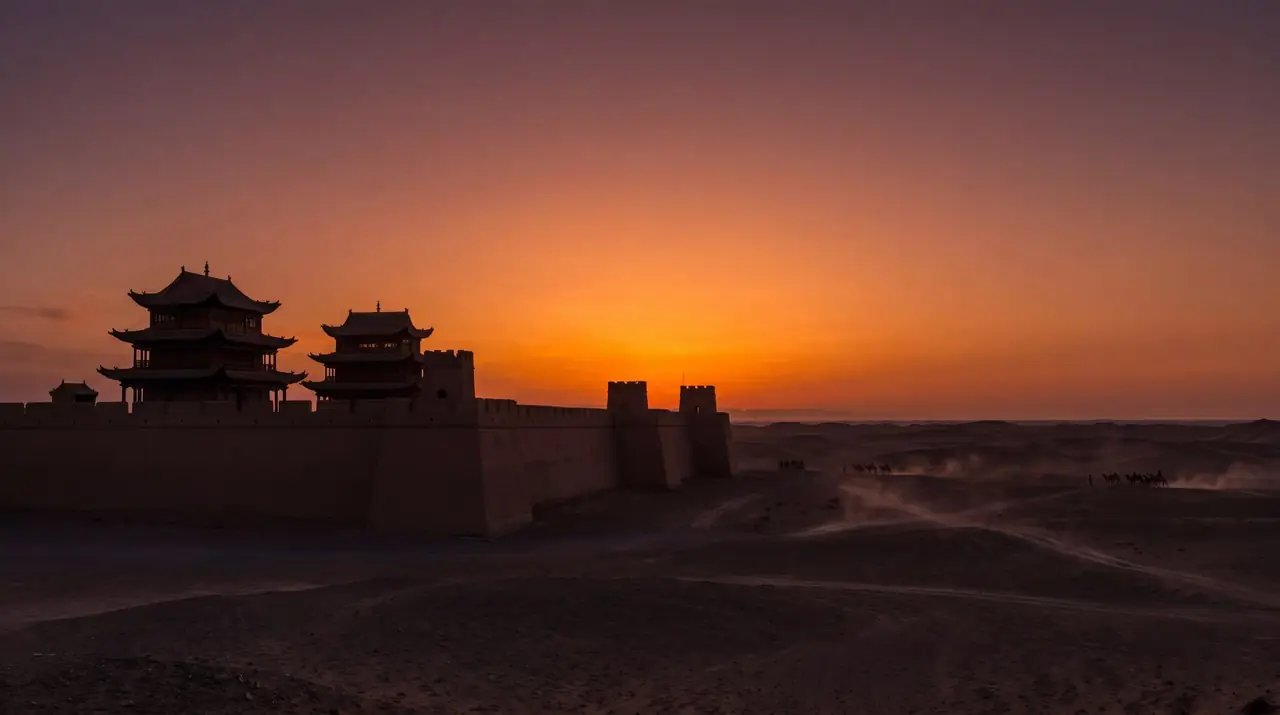
The Great Wall in Gansu is not the postcard-perfect stone structure you see near Beijing. Here it is crumbling, windswept, and often little more than a ridge of packed earth vanishing into the desert. But that is precisely what makes it compelling. At Jiayuguan, the Ming-era fortress has been restored to grandeur, but walk a few kilometers in either direction and you will find the original rammed-earth wall, slowly dissolving back into the landscape. The Han Dynasty walls are even older — 2,000-year-old ridges that once marked the absolute edge of the Chinese world.
Quick read
The Great Wall in Gansu matters because it still feels like a frontier structure, not a polished national symbol cut away from its landscape.
Why It Changes The Trip
This heritage layer makes Jiayuguan feel more meaningful and helps travelers understand the military edge of the Silk Road route.
The Great Wall sections in Gansu represent the military and defensive architecture that protected China's western frontier and the Silk Road.
Visitors often compare it mentally to Beijing's restored wall. The better move is to appreciate how exposed, dry, and historically raw the Gansu wall still feels.
Best Way To Read It On The Ground
Pair the restored fortress with rougher frontier sections if time allows.
Read Jiayuguan as a border story, not only as an architecture stop.
Use sunset or low light to feel the landscape relationship, not just the structure itself.

Key Facts That Actually Matter
Where This Lands Best
Planning Answers To Pair With It

Best time to visit Gansu?
Gansu's continental climate means dramatic seasonal variations. Understanding the weather patterns will help you choose the perfect time for your visit.

5-day Gansu itinerary?
This 5-day itinerary covers the essential highlights of Gansu's Hexi Corridor, from Lanzhou's noodles to Dunhuang's ancient caves.
How to get around Gansu?
Gansu's transportation network has improved dramatically with high-speed rail connecting major destinations. Here's how to navigate the province.
More Culture Threads
Silk Road History
The Silk Road brought Buddhism to China, facilitated cultural exchange, and made Gansu a melting pot of different civilizations.
Buddhist Art Heritage
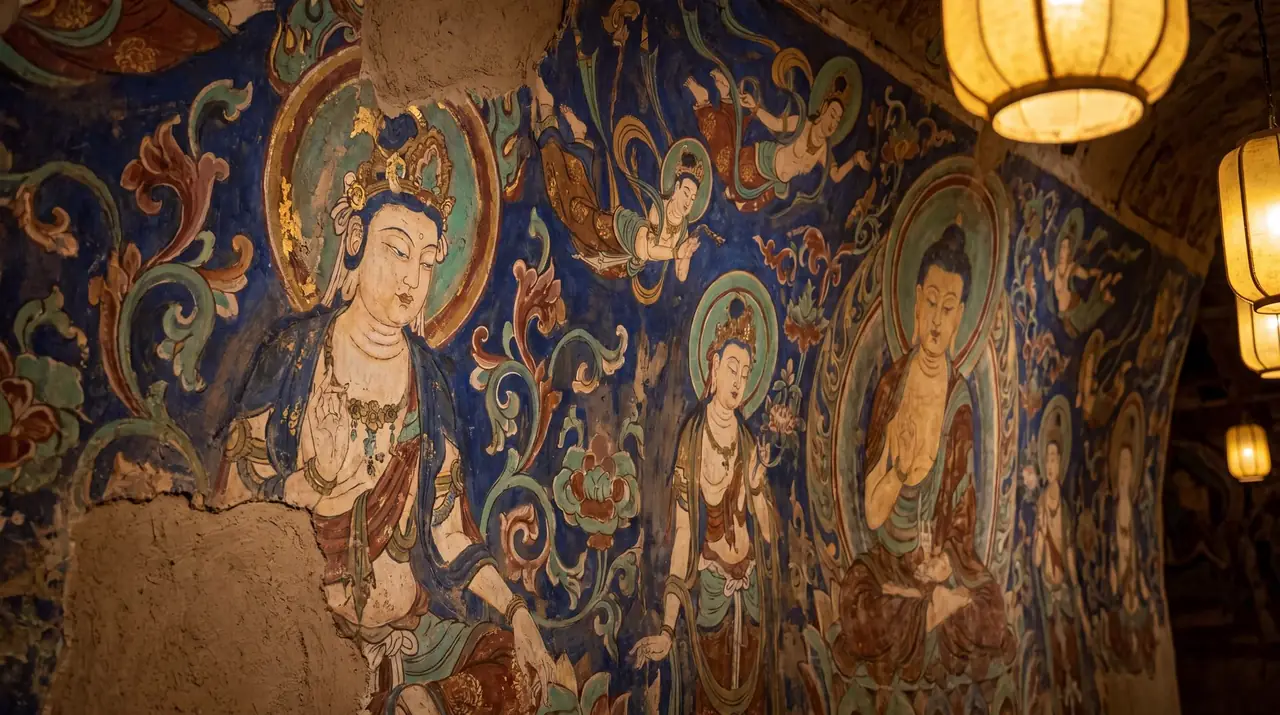
The Buddhist art in Gansu represents the finest examples of Chinese Buddhist artistic achievement and cultural exchange along the Silk Road.

Tibetan Buddhist Culture
This region preserves authentic Tibetan Buddhist traditions, architecture, and way of life, offering visitors insight into Tibetan culture without traveling to Tibet.
Hui Muslim Culture
Hui culture represents the successful integration of Islamic faith with Chinese cultural elements, creating a distinctive cultural identity.
Want the route to feel more rooted in the province, not just more scenic?
If culture matters as much as the headline sights, send the rough route and we can help shape a version with better context and rhythm.
Best fit if you already know your dates, route draft, or must-keep stops.