Traditional Festivals
Gansu's festival calendar reflects its ethnic patchwork. The Tibetan Monlam Festival at Labrang draws thousands of pilgrims and turns the monastery into a sea of crimson robes. Eid al-Fitr in Linxia is a feast of lamb, sweets, and communal prayer. The Silk Road Tourism Festival in Dunhuang is more modern — part cultural celebration, part trade fair — but it does bring performances and exhibitions to the city. If you can time your visit with a festival, do it; the crowds are manageable compared to eastern China, and the atmosphere is electric.
Quick read
Festivals in Gansu are one of the best ways to feel how the province's Tibetan, Hui, and Silk Road identities remain active rather than purely historical.

Why It Changes The Trip
Festivals can transform a trip, but they also change crowd pressure, booking difficulty, and the pace of local places. They should shape the route from the start if they matter to you.
These festivals showcase the rich cultural diversity of Gansu and provide opportunities for visitors to experience authentic local traditions.
People often chase a festival only for atmosphere. The more useful perspective is to understand what it changes logistically and how to participate respectfully.
Best Way To Read It On The Ground
Check timing early because festival travel affects rooms, roads, and crowd density.
Expect a stronger local mood, not necessarily a smoother sightseeing schedule.
Use a festival to deepen one stop rather than trying to keep a hyper-compressed multi-city loop.

Key Facts That Actually Matter
Where This Lands Best


Planning Answers To Pair With It
Best time to visit Gansu?
Gansu's continental climate means dramatic seasonal variations. Understanding the weather patterns will help you choose the perfect time for your visit.

Is Gansu safe for tourists?
Gansu is generally very safe for tourists. Violent crime against foreigners is extremely rare, and locals are welcoming and helpful to visitors.
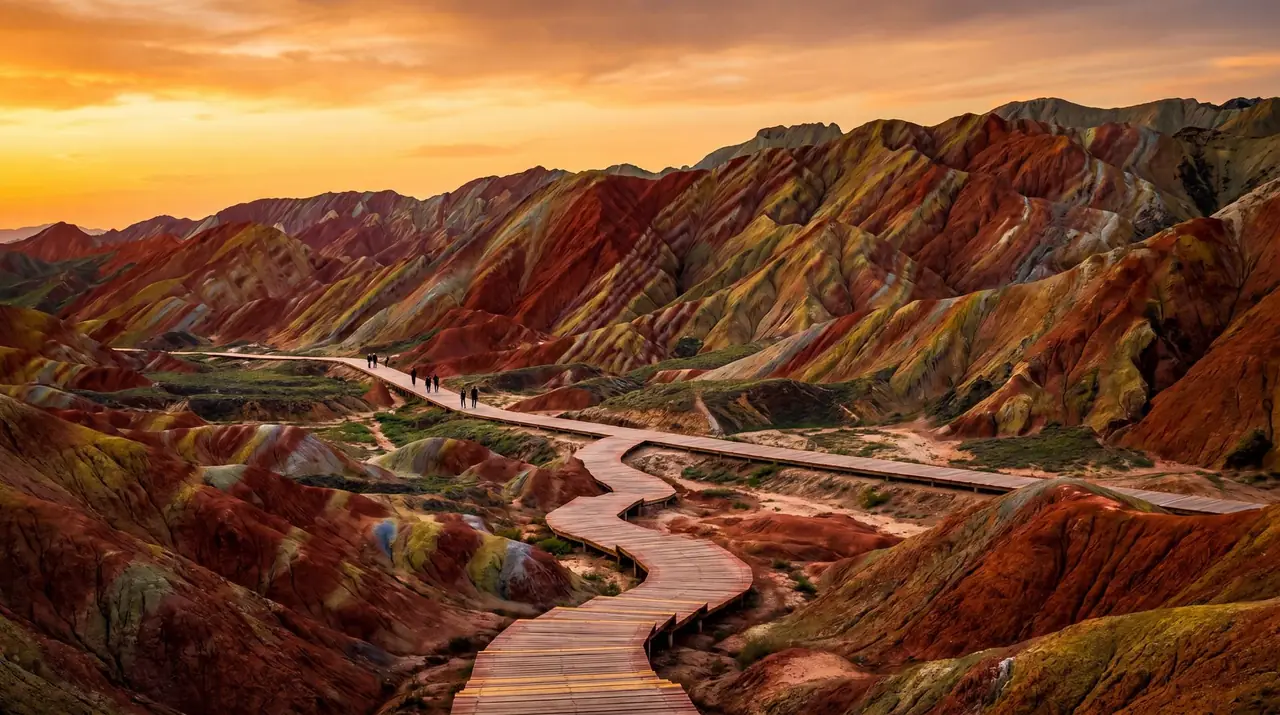
What to pack for Gansu?
Packing for Gansu requires preparation for varying altitudes, temperatures, and outdoor activities. Here's your complete packing guide.
Guides That Go Deeper
Xiahe Travel Guide: Labrang, Grasslands, and the Right Pace
Xiahe works best when you give it time for monastery rhythm, altitude adjustment, and the quieter parts of town beyond the checklist.
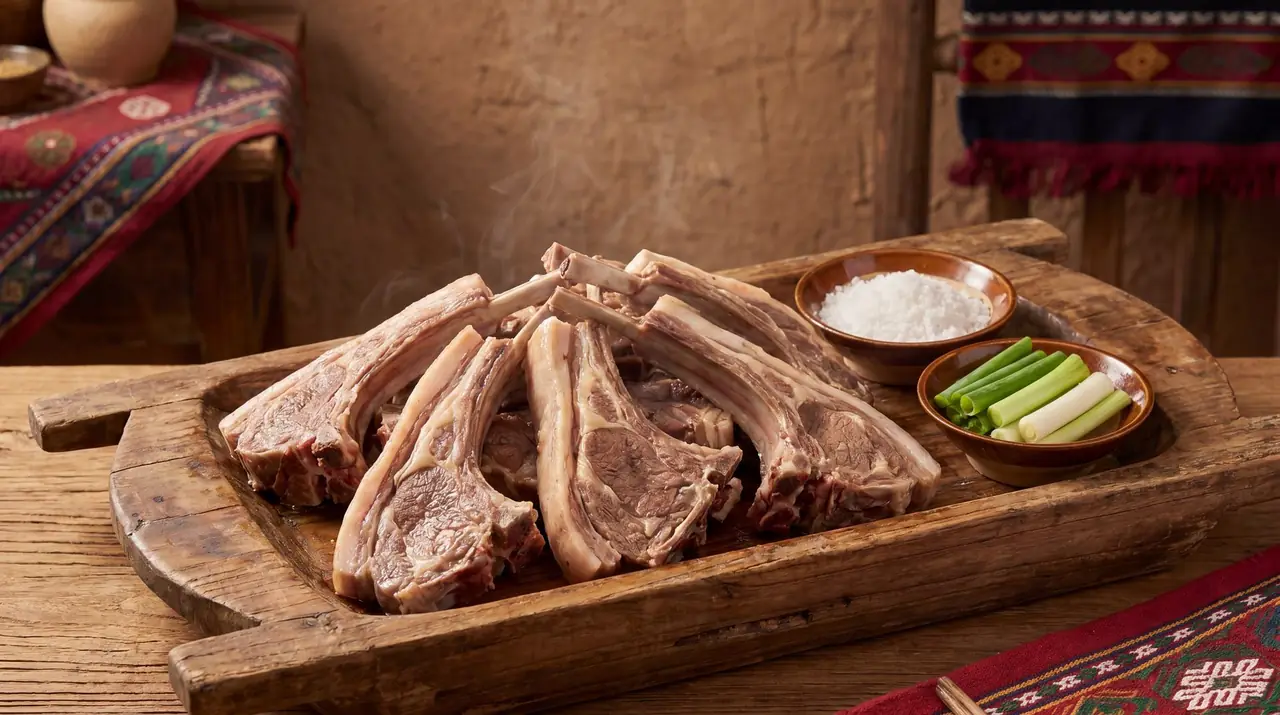
Linxia Halal Food Guide: One of Gansu's Most Underrated Eating Stops
Linxia is one of the clearest places to understand the Hui Muslim side of Gansu through food, rhythm, and daily urban life.
More Culture Threads

Silk Road History
The Silk Road brought Buddhism to China, facilitated cultural exchange, and made Gansu a melting pot of different civilizations.
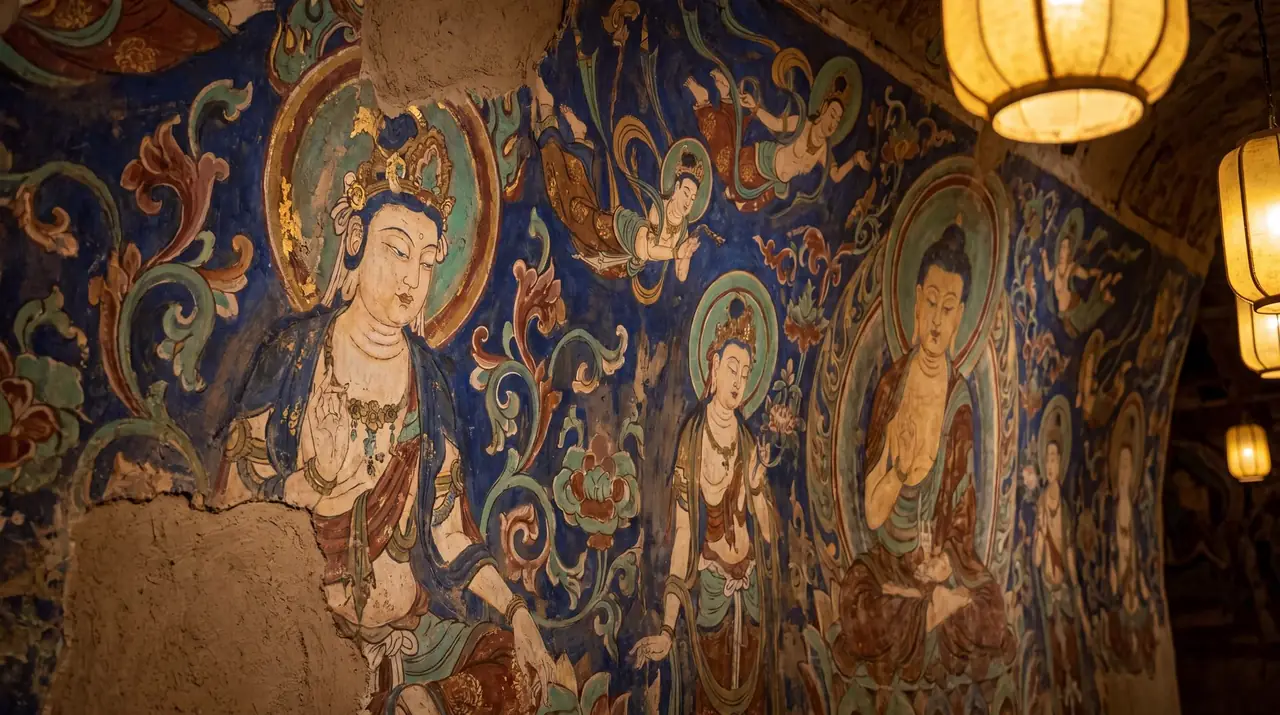
Buddhist Art Heritage
The Buddhist art in Gansu represents the finest examples of Chinese Buddhist artistic achievement and cultural exchange along the Silk Road.

Tibetan Buddhist Culture
This region preserves authentic Tibetan Buddhist traditions, architecture, and way of life, offering visitors insight into Tibetan culture without traveling to Tibet.
Hui Muslim Culture
Hui culture represents the successful integration of Islamic faith with Chinese cultural elements, creating a distinctive cultural identity.
Want the route to feel more rooted in the province, not just more scenic?
If culture matters as much as the headline sights, send the rough route and we can help shape a version with better context and rhythm.
Best fit if you already know your dates, route draft, or must-keep stops.