Best Time to Visit Gansu: Season by Season, Month by Month, and the Honest Answer
The best time to visit Gansu depends on what you want the trip to feel like. May and September are the most balanced months. Summer is best for southern Gansu. Autumn has the best light. Winter is cold but empty. This page helps you match your travel window to the right expectations.
Practical planning
Best Time to Visit Gansu: Season by Season, Month by Month, and the Honest Answer
If I had to give one answer, I would say: the last two weeks of May or the first three weeks of October. But that answer hides more than it reveals. The real question is what kind of trip you want. Do you want green grasslands and summer festivals? Go in July. Do you want golden light and harvest markets? September and October. Do you want solitude and low prices? November through March, with real trade-offs. This page breaks down the timing decision honestly, with temperature, crowd, and price data for each window.
The quick answer by priority
Best overall months: May (after the Labor Day holiday) and September (before the National Day holiday). Warm days, cool nights, manageable crowds, clear skies, all sites open with full hours. These are the months that serious repeat visitors book first.
Best for photography: late September through October. The autumn light in Gansu is extraordinary — low humidity, clean air, low sun angle, long golden hours. The poplar forests turn gold in mid-October around Dunhuang and Jinta.
Best for southern Gansu (Xiahe, grasslands): July and August. The grasslands are green, wildflowers bloom at altitude, and daytime temperatures at 3,000m feel like a permanent spring. This is also peak domestic travel season, so book ahead.
Best for low prices and solitude: November through March. Hotels are 30-50% cheaper. Mogao Caves are quiet. The desert landscapes look stark and dramatic under winter light. But it is genuinely cold, some smaller hotels close, and the grasslands are brown.
Temperature and crowd calendar
January-February: cold (daytime 0-5°C in the corridor, nights well below freezing). Very few tourists. Some sites have reduced hours. Possible snow in the Qilian Mountains creating beautiful backdrops. Chinese New Year (late January or February) brings a spike in domestic travel — avoid that week.
March: still cold. Sandstorm risk highest. Brown landscapes. Lowest tourist numbers of the year. Only recommended for experienced cold-weather travelers.
April: transitional. Warmer by late April (daytime 15-22°C). Sandstorm risk drops. Blossoms appear around Dunhuang and Lanzhou. Tourist numbers still low. The last two weeks can be excellent.
May: warm (20-28°C days). Clear skies. All sites fully open. Crowds spike during Labor Day (May 1-5) then drop. The middle two weeks of May are arguably the best window of the year.
June: warm to hot (25-33°C). Crowds building but not yet peak (schools still in session). Grasslands green. Occasional rain in southern Gansu. One of the most underrated months.
July-August: hot (30-38°C in the corridor). Peak crowds. Peak prices. Peak grassland beauty. Book everything well ahead. Structure days around early mornings and late afternoons to manage heat.
September: warm and pleasant (22-28°C days). Crowds drop after the first week. Best light of the year. Harvest season with excellent food. Possibly the single best month.
October: cool and clear (15-22°C days, cold nights). National Day (Oct 1-7) is chaos — avoid it. After October 8, it is one of the best windows: perfect weather, thin crowds, autumn color.
November: cold (5-12°C days, freezing nights). Very few tourists. Rock-bottom prices. The first half can still be pleasant. By late November, winter has arrived.
December: cold (0-5°C days, -10°C to -15°C nights). Minimal tourists. Short daylight hours. Stark, dramatic landscapes. Only for travelers comfortable with real winter conditions.
The booking windows that matter
Mogao Caves: book 2-4 weeks ahead for peak season (July-September, October holiday), 1 week for shoulder, a few days for low season. A-category tickets are the ones you want — they include a guided tour of 8 caves including the best-preserved ones.
Trains: book 1-2 weeks ahead for weekday travel, 2-4 weeks for weekends and holidays. High-speed train tickets open for sale 15 days before departure. Set a calendar reminder.
Hotels: book 2-4 weeks ahead for peak season in Dunhuang and Xiahe. These two cities have the tightest hotel supply relative to demand. Lanzhou, Zhangye, and Jiayuguan are more forgiving.
Labor Day (May 1-5) and National Day (October 1-7): book everything as far ahead as the systems allow. These weeks operate under a different set of rules. If you can shift your trip by a week on either side, do it.
Related questions

FAQ
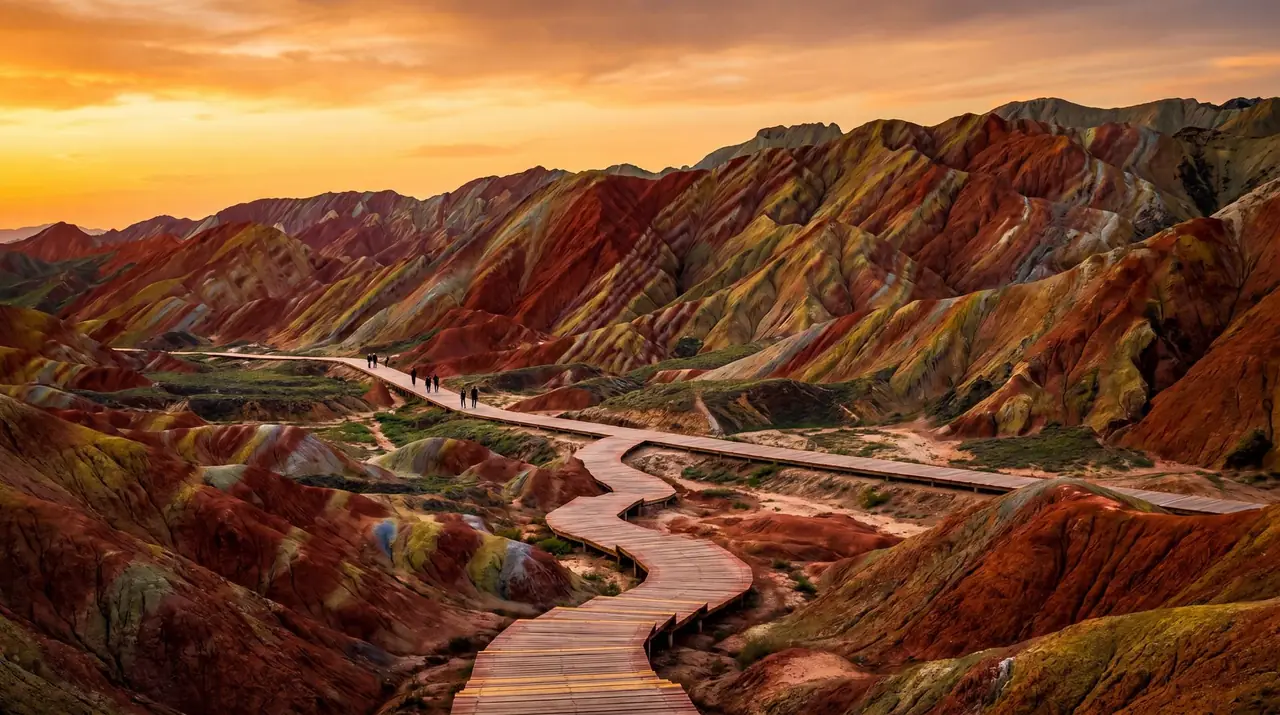
Best time to visit Gansu?
Gansu's continental climate means dramatic seasonal variations. Understanding the weather patterns will help you choose the perfect time for your visit.
Read answer
FAQ
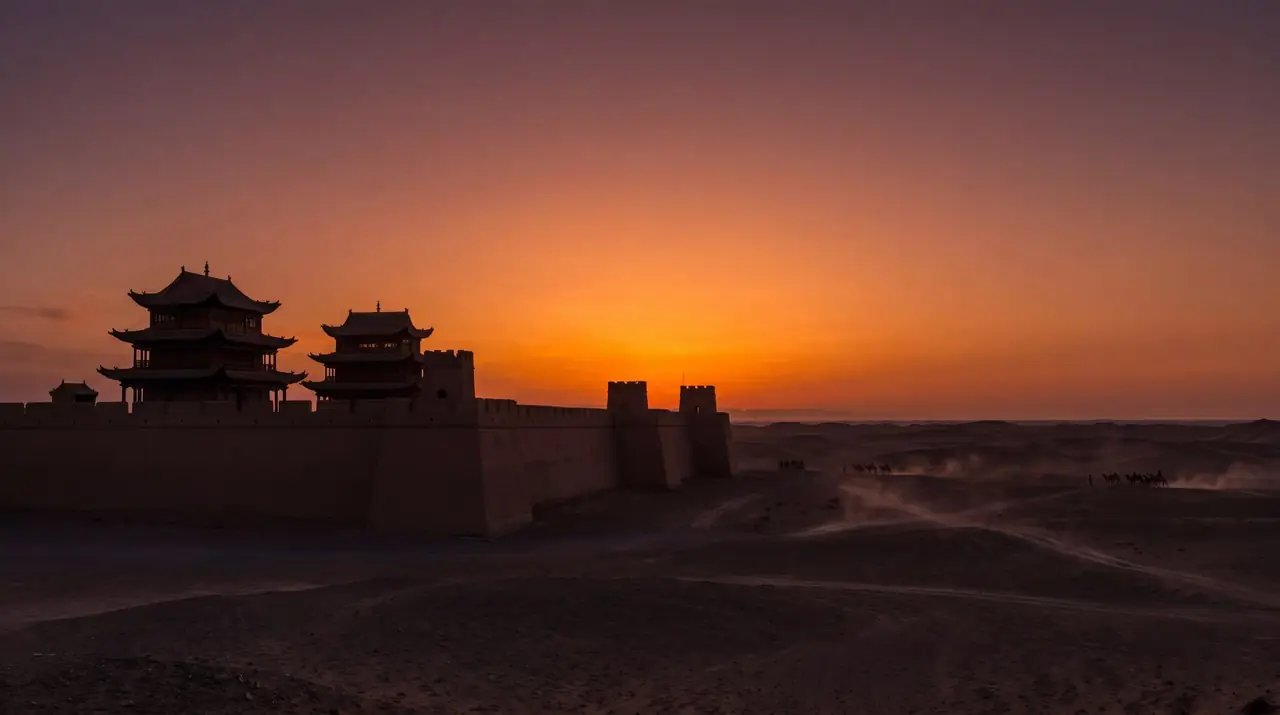
What to pack for Gansu?
Packing for Gansu requires preparation for varying altitudes, temperatures, and outdoor activities. Here's your complete packing guide.
Read answer
FAQ
How to get around Gansu?
Gansu's transportation network has improved dramatically with high-speed rail connecting major destinations. Here's how to navigate the province.
Read answer
Go deeper with guides

City Guide
Xiahe Travel Guide: Labrang, Grasslands, and the Right Pace
Xiahe works best when you give it time for monastery rhythm, altitude adjustment, and the quieter parts of town beyond the checklist.
Open guide

Destination Strategy
Tianshui and Maijishan: A Strong East Gansu Detour
Tianshui is not the province's headline city, but Maijishan makes it one of the smartest detours for travelers who care about cave art and quieter historical sites.
Open guide

Booking Guide
How to Book Mogao Caves Tickets Without Wasting the Trip
Mogao is one of the few places in Gansu where poor booking timing can genuinely weaken the trip, so it is worth planning this stop properly.
Open guide
Relevant destinations
Destination
Dunhuang Mogao Caves
Ancient Buddhist cave temples with exquisite murals and sculptures along the Silk Road.
Open destination
Destination
Zhangye Rainbow Mountains
Breathtaking colorful mountain formations known as Rainbow Mountains.
Open destination

Destination
Labrang Monastery
One of the most important Tibetan Buddhist monasteries outside Tibet.
Open destination

Destination
Lanzhou
Capital city of Gansu, gateway to the Silk Road on the Yellow River.
Open destination
Need more specific planning help?
If these guides answered some questions but raised others, send us your situation and we can help with the specifics.
Best fit if you already know your dates, route draft, or must-keep stops.