Altitude Considerations
Most of Gansu is fine — Lanzhou is at 1,500m, Zhangye and Dunhuang even lower. The issue is southern Gansu, where Labrang Monastery sits at 2,900m and some grassland passes hit 3,500m. Altitude sickness is unpredictable — fitness level is no guarantee of immunity. Symptoms usually show within 6-12 hours: headache, nausea, shortness of breath. The best prevention is to ascend gradually, avoid alcohol, drink more water than usual, and take it easy the first day. Diamox is available at pharmacies in Lanzhou if you want to be prepared.
Quick answer
Most classic Gansu routes are fine for normal travelers. Altitude only becomes a real issue when you move into southern Gansu around Xiahe and higher grassland sections.

Why This Changes The Trip
Altitude changes route energy more than it changes trip prestige. A monastery detour only works if your body and schedule still have room for it.
Most of Gansu is fine — Lanzhou is at 1,500m, Zhangye and Dunhuang even lower. The issue is southern Gansu, where Labrang Monastery sits at 2,900m and some grassland passes hit 3,500m. Altitude sickness is unpredictable — fitness level is no guarantee of immunity. Symptoms usually show within 6-12 hours: headache, nausea, shortness of breath. The best prevention is to ascend gradually, avoid alcohol, drink more water than usual, and take it easy the first day. Diamox is available at pharmacies in Lanzhou if you want to be prepared.
Do These Before You Go
Keep the first high-altitude day lighter than your map suggests.
Hydrate early rather than waiting for symptoms.
Do not pair a late arrival with an aggressive monastery-and-grassland day on the morning after.
Biggest Mistake
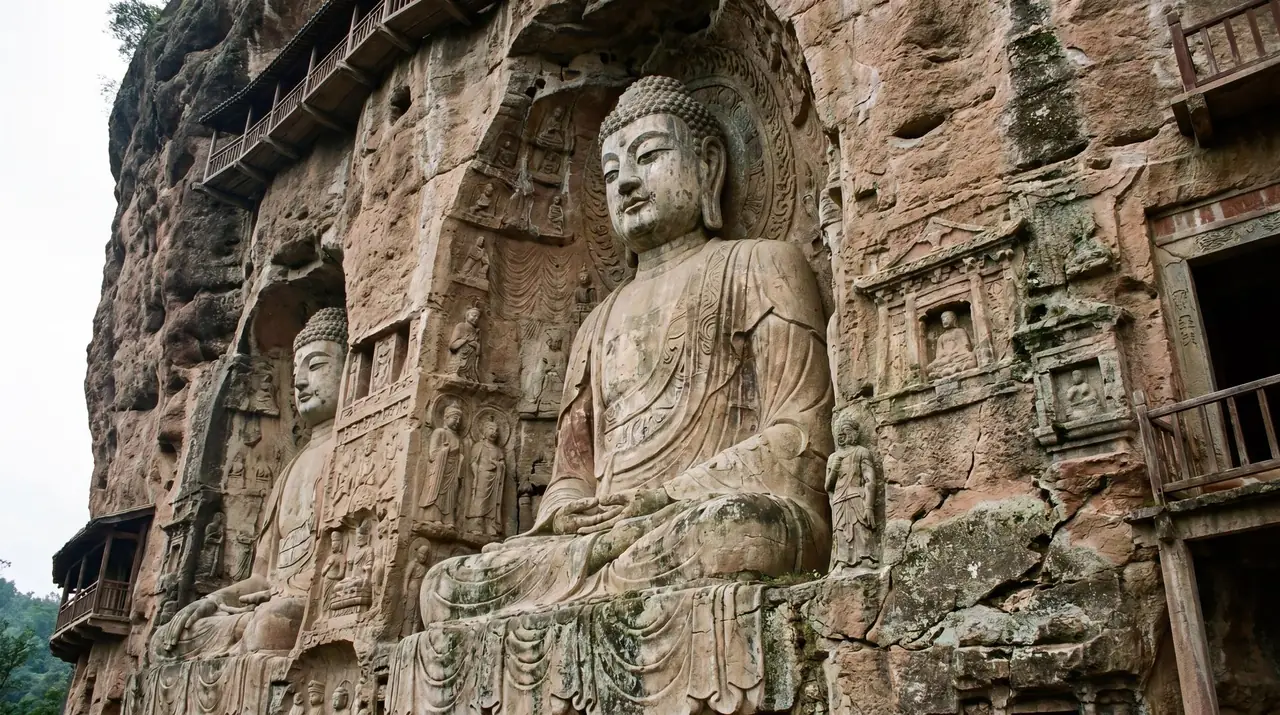
Treating Xiahe as just another scenic add-on instead of a real change in body rhythm, weather, and energy.
Practical Answers

Best time to visit Gansu?
Gansu's continental climate means dramatic seasonal variations. Understanding the weather patterns will help you choose the perfect time for your visit.
What to pack for Gansu?
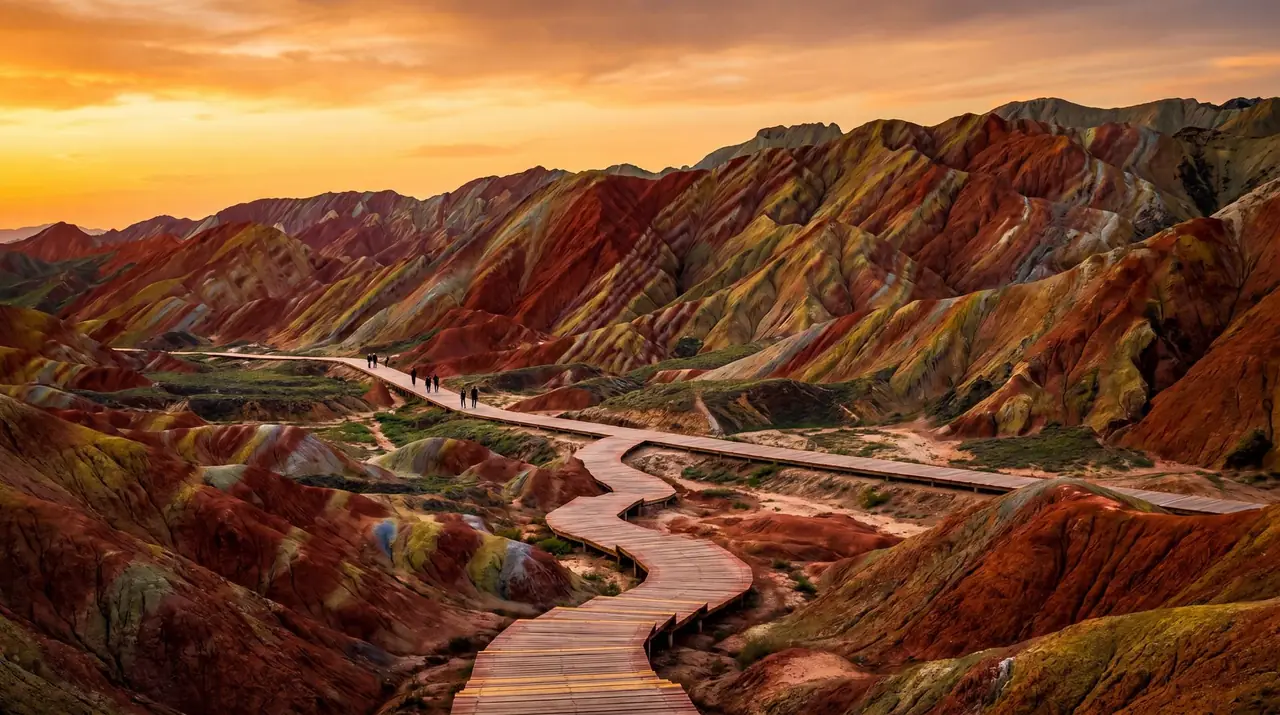
Packing for Gansu requires preparation for varying altitudes, temperatures, and outdoor activities. Here's your complete packing guide.
Solo travel in Gansu?
Gansu is excellent for solo travel with good infrastructure, safe cities, and plenty of opportunities to meet fellow travelers along the Silk Road.
Where This Matters Most
More Planning Notes
Best Time to Visit
May to October is the practical window — outside these months, northern Gansu is bitterly cold and some remote roads close. June through August is peak season: warm days, green grasslands, and long daylight hours, but also higher prices and domestic tourist crowds. September is the sweet spot — clear skies, harvest season, and the summer crowds have thinned. April and May can be windy and dusty, but the desert landscapes are at their most dramatic. Winter (November-March) is only for the hardy; temperatures drop below -15°C and many hotels in Dunhuang simply close.

Getting There and Around
Lanzhou Zhongchuan Airport has decent connections, but be warned: it is 70 km from the city center and the airport bus takes 90 minutes. High-speed trains are the real game-changer — Lanzhou to Zhangye in 3 hours, to Jiayuguan in 5, and the scenery along the way is spectacular. For the classic Silk Road route, flying Lanzhou to Dunhuang saves a full day on a train. Within cities, DiDi (China's Uber) works well, but you will need a Chinese phone number. For remote areas like the Gannan grasslands, hiring a car with a driver is almost essential — public transport exists but is infrequent and poorly signposted.
What to Pack
The desert sun is no joke — SPF 50+, a wide-brimmed hat, and sunglasses are non-negotiable. Layers are essential: days can hit 35°C in summer, but nights drop to 10°C even in July. A light down jacket is useful year-round for early mornings and high altitudes. Comfortable walking shoes with grip — those Mogao Cave boardwalks and Maijishan cliff stairs are slippery. Bring a reusable water bottle; dehydration sneaks up on you in the dry climate. For monasteries, pack clothing that covers shoulders and knees — they will turn you away otherwise. And bring cash: rural ATMs are unreliable, and many small restaurants do not take cards.

Cultural Etiquette
At Tibetan monasteries, walk clockwise around prayer wheels and stupas — going counter-clockwise is deeply offensive. Remove hats and sunglasses inside chapel halls, and keep your voice low. Photography is banned inside most caves and chapels; the rules are enforced. When invited to a Hui home or restaurant, accept tea with both hands as a sign of respect. Do not offer alcohol to Hui Muslims. If you want to photograph people, especially monks or elderly Tibetans, ask first — a smile and gesture toward your camera is usually enough. Most will say yes; some will ask for a small tip.

Want this planning note applied to your exact route?
If the principle makes sense but the itinerary still feels too wide, send the draft and we can help tighten it before you book.
Best fit if you already know your dates, route draft, or must-keep stops.