Gansu in Winter: December to February — Cold, Quiet, and Not for Everyone
Winter Gansu is extreme. Temperatures drop to -15°C and below. Hotels close. Southern Gansu becomes largely inaccessible. But for travelers who know what they are walking into, the rewards are real: empty caves, frozen desert silence, and a version of the Silk Road that almost nobody sees.
The honest picture
Gansu in Winter: December to February — Cold, Quiet, and Not for Everyone
I need to be direct: winter Gansu is not for most people. If you want a comfortable, easy Silk Road trip, come between May and October. But if you have traveled in cold places before, if you genuinely enjoy the stark beauty of a frozen desert, and if the idea of having Mogao Caves nearly to yourself sounds worthwhile rather than lonely — then winter might be your season. Just do not underestimate what -15°C feels like after three hours outdoors.
The winter reality check
Temperatures in the Hexi Corridor regularly drop to -15°C at night and hover around -5°C to 0°C during the day. Dunhuang is cold. Jiayuguan is cold and windy. Lanzhou, hemmed in by mountains, gets cold and smoggy. These are not mild winter conditions.
Southern Gansu effectively closes. Xiahe at 2,900m sees temperatures below -20°C. Grassland roads become impassable. Most guesthouses shut down from November through March. If Tibetan monastery culture is a core reason for your trip, winter is the wrong season.
Many smaller hotels in Dunhuang and Jiayuguan close for the winter. The ones that stay open often reduce services. Heating can be inconsistent outside of major chain hotels. Restaurant options shrink. The overall travel infrastructure contracts significantly.
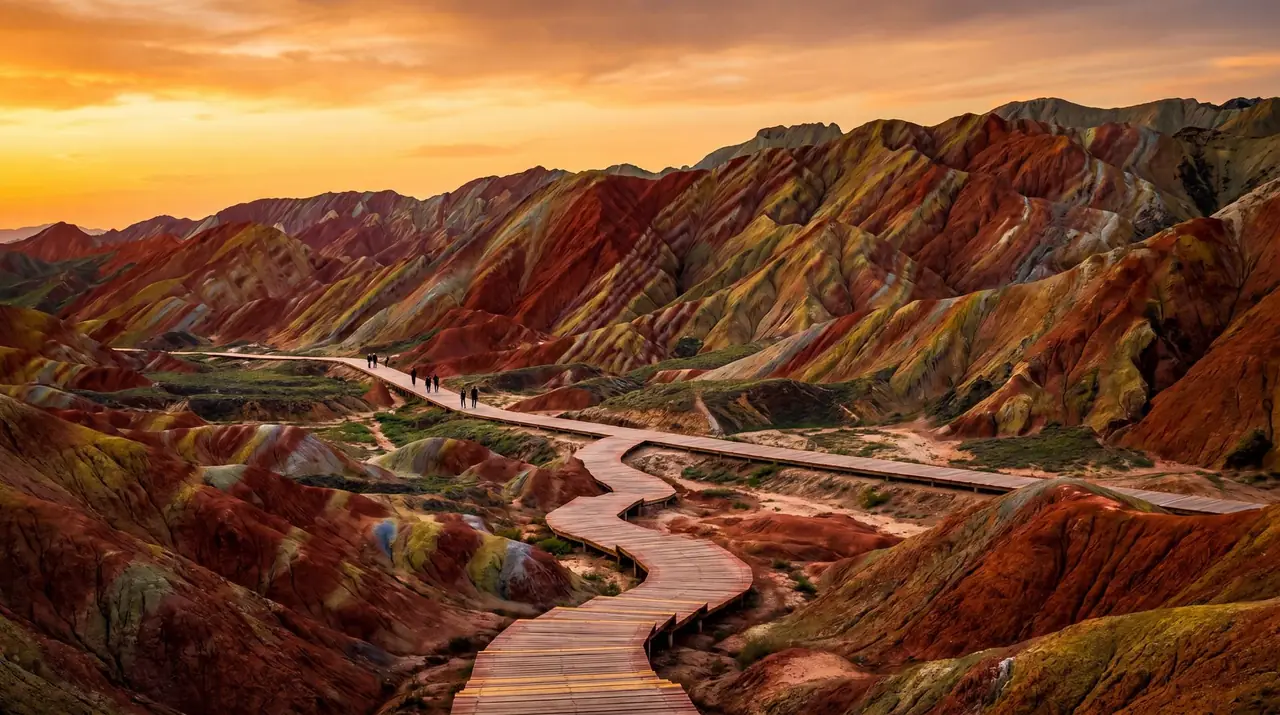
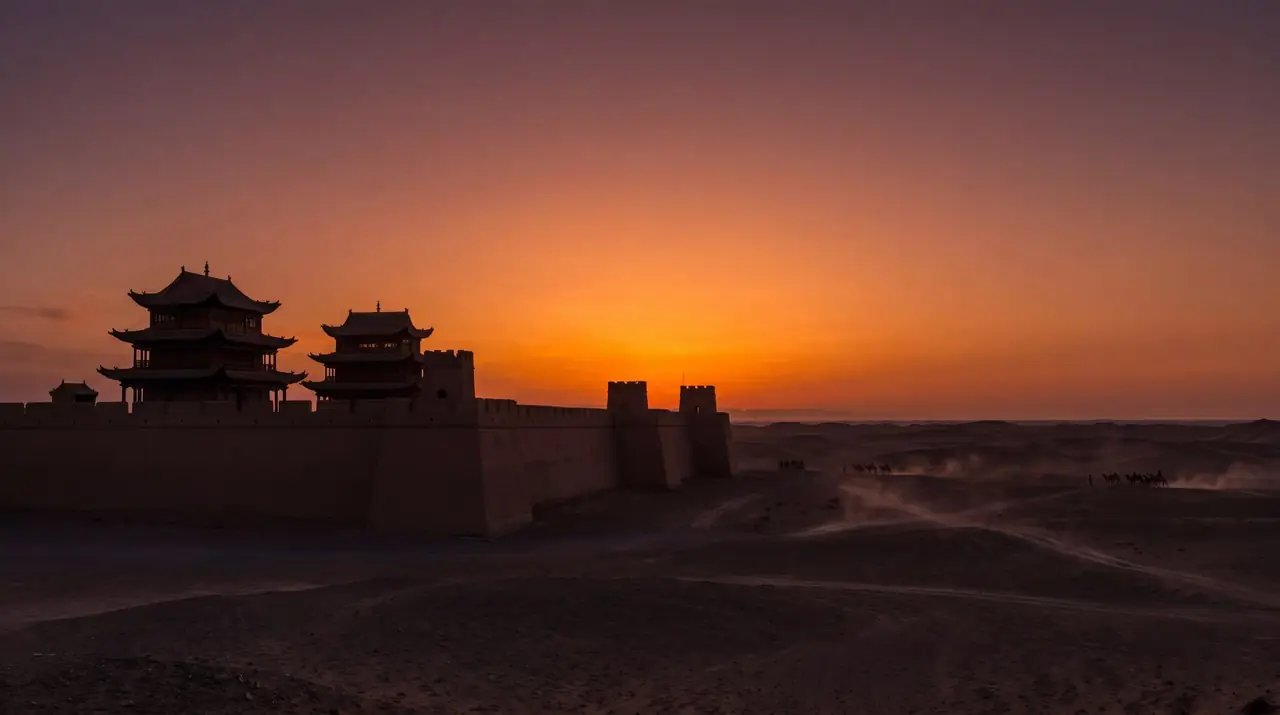
That said: the major sites stay open. Mogao Caves operates year-round (with reduced hours). Zhangye Danxia is open and often stunning under a light snow cover. Jiayuguan fortress is dramatic in winter light. And you will share these places with perhaps 5% of the summer visitor numbers.
What winter does well
Solitude. This is the single biggest winter advantage. The Mogao Caves in January are a completely different experience from July — quiet, unhurried, almost meditative. You can stand on the Jiayuguan ramparts and hear nothing but wind. The Zhangye boardwalks have space to breathe.
Winter light. The low winter sun creates long shadows and stark contrasts that summer light cannot match. The desert in winter has a severity that feels right for Silk Road history — this is closer to what ancient travelers actually endured.
Price. Winter is the cheapest season by a large margin. Hotels that stay open drop their rates significantly. Train tickets are easy to get. Site entry is sometimes discounted. If budget is a primary concern and you can handle the cold, winter delivers value that no other season can.
Snow on the Danxia. If you get lucky with timing, a light snowfall on the Zhangye Rainbow Mountains creates one of the most surreal landscapes in China. The colors peek through the white in a way that looks almost digitally altered. It is not guaranteed, but when it happens, it justifies the whole trip.
How to structure a winter route
Keep it simple and keep it on the corridor. A realistic winter route is: Lanzhou → Zhangye → Jiayuguan → Dunhuang. Skip Xiahe. Skip Maijishan (the mountain walkways can be icy and dangerous). Skip the grasslands entirely.
Build in extra buffer days. Winter travel in Gansu is slower. Trains can be delayed by cold weather. Some roads may be icy. Moving between cities takes longer than the summer timetable suggests. A 5-day summer route might need 7 days in winter.
Stay in the best hotels you can afford. This is not the season for budget guesthouses. Reliable heating, hot water, and a front desk that can help with winter-specific problems are worth the extra cost.
Plan indoor alternatives for every outdoor day. Museums, tea houses, longer meals, and rest time. You cannot spend 8 hours outdoors in -10°C the way you can in 20°C.
What to pack for winter
Thermal base layers — top and bottom — are the foundation. A mid-layer fleece or wool sweater. A heavy down jacket as the outer layer. Windproof is better than waterproof; the cold here is dry.
Good gloves, a warm hat that covers your ears, and a scarf or neck gaiter. Exposed skin in -10°C wind becomes painful in minutes. Thick wool socks and insulated, waterproof boots with good grip.
Hand warmers (the disposable packet kind) are widely available in China and genuinely useful. Bring a thermos for hot water or tea — most hotels and train stations have hot water dispensers.
Your phone battery will drain faster in extreme cold. Carry a power bank and keep it in an inside pocket close to body heat. Cameras generally handle the cold fine, but condensation when moving from cold outdoors to warm indoors can be an issue — keep gear in a sealed bag during transitions.
Related questions

FAQ
Best time to visit Gansu?
Gansu's continental climate means dramatic seasonal variations. Understanding the weather patterns will help you choose the perfect time for your visit.
Read answer
FAQ
What to pack for Gansu?
Packing for Gansu requires preparation for varying altitudes, temperatures, and outdoor activities. Here's your complete packing guide.
Read answer
FAQ
How to get around Gansu?
Gansu's transportation network has improved dramatically with high-speed rail connecting major destinations. Here's how to navigate the province.
Read answer
Go deeper with guides

Booking Guide
How to Book Mogao Caves Tickets Without Wasting the Trip
Mogao is one of the few places in Gansu where poor booking timing can genuinely weaken the trip, so it is worth planning this stop properly.
Open guide
Photography Timing
Zhangye Danxia Sunrise Guide: Timing, Light, and What Matters
The Rainbow Mountains are strongest when the light is right. Sunrise is not mandatory for everyone, but it changes the experience dramatically.
Open guide

City Extension
Dunhuang Beyond Mogao: Singing Sands, Night Markets, and Evening Dunhuang
Mogao Caves are the anchor, but the rest of Dunhuang — the dunes at sunset, the night market, the quiet old streets — is what gives the city its texture. This guide covers how to structure a fuller Dunhuang stay.
Open guide
Relevant destinations
Destination
Dunhuang Mogao Caves
Ancient Buddhist cave temples with exquisite murals and sculptures along the Silk Road.
Open destination
Destination
Zhangye Rainbow Mountains
Breathtaking colorful mountain formations known as Rainbow Mountains.
Open destination

Destination
Jiayuguan Pass
The westernmost end of the Great Wall, known as the Greatest Pass Under Heaven.
Open destination
Still deciding which season works for your trip?
If you have a rough date window but want help thinking through the seasonal trade-offs, send us your draft plan.
Best fit if you already know your dates, route draft, or must-keep stops.