Gansu in Summer: June to August — Heat, Crowds, and Why Southern Gansu Shines
Summer is the easiest season to travel Gansu and the hardest to have it to yourself. The Hexi Corridor gets hot and busy. Southern Gansu, around Xiahe and the grasslands, is at its absolute best. The trick is knowing when to push west and when to escape south.
The honest picture
Gansu in Summer: June to August — Heat, Crowds, and Why Southern Gansu Shines
Gansu in summer is two different provinces. The desert corridor from Lanzhou to Dunhuang is hot, bright, and full of domestic tour groups. The southern highlands — Xiahe, Labrang, the Gannan grasslands — are green, cool, and alive with summer festivals. A well-designed summer route uses both halves and does not try to fight the heat with sheer willpower.
The honest summer picture
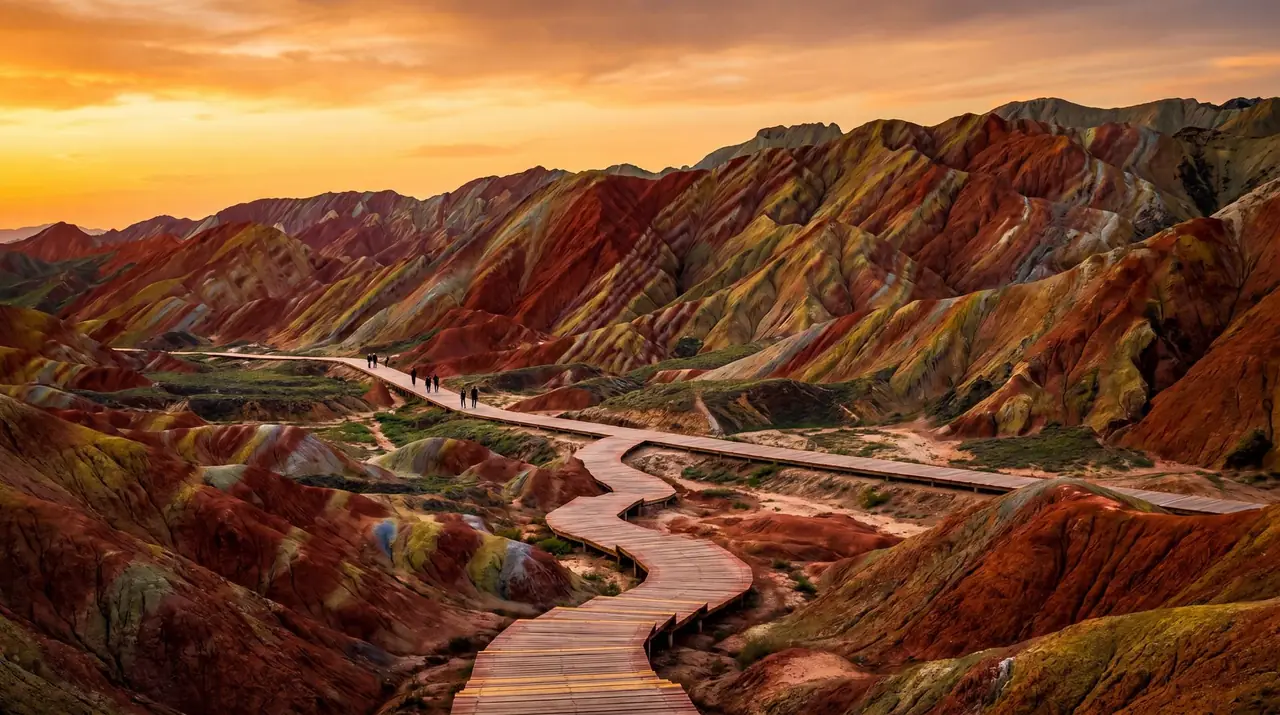
June through August is peak domestic travel season. Chinese school holidays start in July, and families flood the major sites. Mogao Caves tickets sell out. Zhangye Danxia viewing platforms are shoulder-to-shoulder by 9 AM. Hotels in Dunhuang and Zhangye are at their most expensive.
Daytime temperatures in the Hexi Corridor regularly hit 33-38°C. The dry heat is more tolerable than humid heat, but it is still punishing. The sun is intense from about 10 AM to 4 PM. Smart travelers shift their schedule: early mornings for outdoor sites, midday for museums or rest, late afternoons for a second round.
But summer also has the best conditions for southern Gansu. The grasslands around Xiahe are lush and green. Wildflowers bloom at altitude. The temperatures at 3,000m feel like a permanent spring day. If you want to see Tibetan Gansu at its most beautiful, this is the window.
June: the window before the wave
June is the most underrated summer month. The weather is warm and stable. Schools have not broken for summer yet, so domestic crowds are manageable. All sites are fully open with full hours.
The grasslands are green but not yet at peak flower bloom. The Hexi Corridor is hot but not yet at July-August intensity. If you can travel in June, especially the first three weeks, you get most of summer's advantages with fewer of its problems.
The one watch-out: June can have occasional rain, especially in southern Gansu. It is rarely heavy enough to disrupt travel, but the mountain roads around Maijishan and the grassland tracks around Xiahe can get muddy.
July and August: peak everything
This is the busiest, hottest, most expensive window. But it is also when Gannan is at its peak beauty, when the summer festivals happen, and when the long daylight hours give you maximum flexibility.
The key strategy: structure your days around temperature. Start at sunrise (as early as 5:30 AM for Zhangye Danxia), rest during the midday heat, and go out again after 4 PM when the light turns golden and the temperature drops. The long summer days mean you can fit two distinct sessions into one day without feeling rushed.
If your trip is mostly Hexi Corridor, consider whether you can shift to June or September instead. If July-August is your only window, add at least two days in higher-elevation stops — Xiahe, the grasslands, or even a detour into the Qilian Mountains — to break up the heat.
The southern escape route
The single best summer strategy: build the trip around southern Gansu. Spend more time at altitude, where daytime temperatures hover around 20-25°C instead of 35°C. Labrang Monastery, the Sangke Grasslands, Gahai Lake, and the road toward Langmusi are all at their visual peak in July and August.
A strong summer route might look like: Lanzhou → Xiahe (2-3 nights) → back to Lanzhou → fast west to Zhangye → Jiayuguan → Dunhuang. The Xiahe section gives you the green, cool, cultural layer that the desert half cannot offer in midsummer.
Be aware that Xiahe hotels fill up in July-August too. It is not as intense as Dunhuang, but the better guesthouses and Tibetan-style hotels book out. Reserve ahead.
Practical summer notes
Sun protection is not optional. SPF 50+, wide-brimmed hat, long-sleeved light layers, and more water than you think. Dehydration in the dry heat sneaks up fast.
Book Mogao, key trains, and Dunhuang hotels as early as possible. Summer is when the booking pressure is real and the consequences of winging it are worst.
Mosquitoes are generally not a problem in the dry Hexi Corridor, but they can appear near water in southern Gansu. A small repellent is enough.
Summer thunderstorms are rare but dramatic when they happen. They pass quickly. The bigger practical issue is that heavy rain can temporarily close some grassland tracks.
Related questions

FAQ
Best time to visit Gansu?
Gansu's continental climate means dramatic seasonal variations. Understanding the weather patterns will help you choose the perfect time for your visit.
Read answer
FAQ
What to pack for Gansu?
Packing for Gansu requires preparation for varying altitudes, temperatures, and outdoor activities. Here's your complete packing guide.
Read answer

FAQ
7-day Gansu itinerary?
This comprehensive 7-day itinerary adds Tibetan culture at Labrang Monastery and the Maijishan Grottoes to the classic Hexi Corridor route.
Read answer
Go deeper with guides

City Guide
Xiahe Travel Guide: Labrang, Grasslands, and the Right Pace
Xiahe works best when you give it time for monastery rhythm, altitude adjustment, and the quieter parts of town beyond the checklist.
Open guide

Booking Guide
How to Book Mogao Caves Tickets Without Wasting the Trip
Mogao is one of the few places in Gansu where poor booking timing can genuinely weaken the trip, so it is worth planning this stop properly.
Open guide
Photography Timing
Zhangye Danxia Sunrise Guide: Timing, Light, and What Matters
The Rainbow Mountains are strongest when the light is right. Sunrise is not mandatory for everyone, but it changes the experience dramatically.
Open guide
Relevant destinations
Destination
Dunhuang Mogao Caves
Ancient Buddhist cave temples with exquisite murals and sculptures along the Silk Road.
Open destination
Destination
Zhangye Rainbow Mountains
Breathtaking colorful mountain formations known as Rainbow Mountains.
Open destination

Destination
Labrang Monastery
One of the most important Tibetan Buddhist monasteries outside Tibet.
Open destination
Still deciding which season works for your trip?
If you have a rough date window but want help thinking through the seasonal trade-offs, send us your draft plan.
Best fit if you already know your dates, route draft, or must-keep stops.