How to Get Around Gansu: Trains, Cars, Buses, and the Real Travel Times
Getting around Gansu is easier than it looks. High-speed rail connects the Hexi Corridor efficiently. Private cars fill the gaps that trains cannot reach. Buses cover the rest. This guide covers the real travel times, costs, and which transport mode makes sense for each leg of your route.
Practical planning
How to Get Around Gansu: Trains, Cars, Buses, and the Real Travel Times
Gansu transport is one of the province's strengths. The high-speed rail line from Lanzhou through the Hexi Corridor to Urumqi is one of the best pieces of travel infrastructure in China. It makes what was once a grueling desert journey into a comfortable, scenic ride. But the rail line does not reach everywhere — Xiahe, the Gannan grasslands, and some detours require cars or buses. This page is a practical transport reference for every common Gansu route leg.
High-speed trains: the backbone of any Gansu route
The Lanzhou-Urumqi high-speed line (Lanzhou Xinjiang Gaotie) is the spine of Gansu travel. It connects Lanzhou → Xining → Zhangye → Jiayuguan → points west toward Dunhuang and Urumqi. Trains are modern, clean, and punctual. Second class seats are comfortable and affordable.
Key journey times: Lanzhou to Zhangye: 3-3.5 hours (150 yuan second class). Lanzhou to Jiayuguan: 4.5-5 hours (200 yuan). Zhangye to Jiayuguan: 1.5 hours (80 yuan). Jiayuguan to Dunhuang: 2.5-3 hours (110 yuan).
Note: Dunhuang is on a branch line off the main high-speed corridor. Not all westbound trains go to Dunhuang — check carefully when booking. Some routes require a transfer at Jiayuguan or Liuyuan.
Booking: use the 12306 app (official, English available) or Trip.com (foreigner-friendly, small service fee). Book at least a few days ahead for weekday travel, a week or more for weekends and holidays. Passport information is required at booking and at station entry.
Private cars and drivers: expensive but sometimes essential
A hired car with driver costs approximately 500-700 yuan per day, depending on distance and negotiation. Split among 3-4 people, this becomes reasonable. For solo travelers or couples, it is a significant line item.
When a car is worth it: reaching Xiahe from Lanzhou (no direct train, 3-4 hour drive), exploring the Gannan grasslands (no public transport to scenic areas), visiting Mati Si from Zhangye (difficult by bus), and day trips from Dunhuang to the Yumen Pass or Yardang landforms (no public options).
When a car is not worth it: the Hexi Corridor city-to-city hops (train is faster and cheaper), within Lanzhou (metro, taxi, DiDi are all fine), and within Dunhuang city (taxis are cheap and plentiful).
How to find a driver: ask your hotel front desk, use a local travel agency, or arrange through a contact in advance. Drivers rarely speak English but are generally professional and reliable. Agree on the price, route, and duration before departing. Payment is in cash at the end of the day.
Buses, city transport, and the rest
Long-distance buses: the fallback option. Buses connect Lanzhou to Xiahe (4-5 hours, bumpy but functional), Lanzhou to Tianshui (4 hours, train is better), and some smaller towns. Buses are cheaper than trains but slower and less comfortable. Use for routes without rail service.
City taxis and DiDi: DiDi (Chinese Uber) works in Lanzhou and Dunhuang with the English interface. Taxis are cheap everywhere — most city rides cost 10-30 yuan. Have your destination written in Chinese to show the driver. Taxis rarely take credit cards — cash or mobile payment.
Lanzhou Metro: Line 1 runs east-west through the city, connecting the west high-speed train station to the city center. Clean, cheap, and easy to navigate. Useful for airport and train connections within Lanzhou.
Dunhuang airport: small and efficient. Daily flights to Lanzhou, Xi'an, Beijing, and Urumqi. Can be a good entry or exit point if the train schedule does not fit your dates.
Transport mistakes that cost time and money
Assuming Dunhuang is on the direct high-speed line. It is on a branch. Always verify the train actually goes to Dunhuang station, not just 'toward Dunhuang.'
Underestimating station time. Chinese train stations require passport check, security screening, and ticket collection (if you have not set up e-ticketing). Arrive 45-60 minutes before departure for high-speed trains.
Relying on buses for tight schedules. Buses in rural Gansu run on approximate schedules. A '10 AM bus' might leave at 10:20, or 10:45, or when it is full. Build buffer time into bus-dependent days.
Not having a backup transport plan for remote areas. If you are in the Gannan grasslands and your arranged car does not show, you might be stuck for hours. Have the phone number of your driver, your hotel, and ideally a backup contact.
Related questions
FAQ
How to get around Gansu?
Gansu's transportation network has improved dramatically with high-speed rail connecting major destinations. Here's how to navigate the province.
Read answer

FAQ
5-day Gansu itinerary?
This 5-day itinerary covers the essential highlights of Gansu's Hexi Corridor, from Lanzhou's noodles to Dunhuang's ancient caves.
Read answer

FAQ
7-day Gansu itinerary?
This comprehensive 7-day itinerary adds Tibetan culture at Labrang Monastery and the Maijishan Grottoes to the classic Hexi Corridor route.
Read answer
Go deeper with guides
City Guide
Xiahe Travel Guide: Labrang, Grasslands, and the Right Pace
Xiahe works best when you give it time for monastery rhythm, altitude adjustment, and the quieter parts of town beyond the checklist.
Open guide
Destination Strategy
Tianshui and Maijishan: A Strong East Gansu Detour
Tianshui is not the province's headline city, but Maijishan makes it one of the smartest detours for travelers who care about cave art and quieter historical sites.
Open guide

Booking Guide
How to Book Mogao Caves Tickets Without Wasting the Trip
Mogao is one of the few places in Gansu where poor booking timing can genuinely weaken the trip, so it is worth planning this stop properly.
Open guide
Relevant destinations
Destination
Dunhuang Mogao Caves
Ancient Buddhist cave temples with exquisite murals and sculptures along the Silk Road.
Open destination

Destination
Zhangye Rainbow Mountains
Breathtaking colorful mountain formations known as Rainbow Mountains.
Open destination

Destination
Jiayuguan Pass
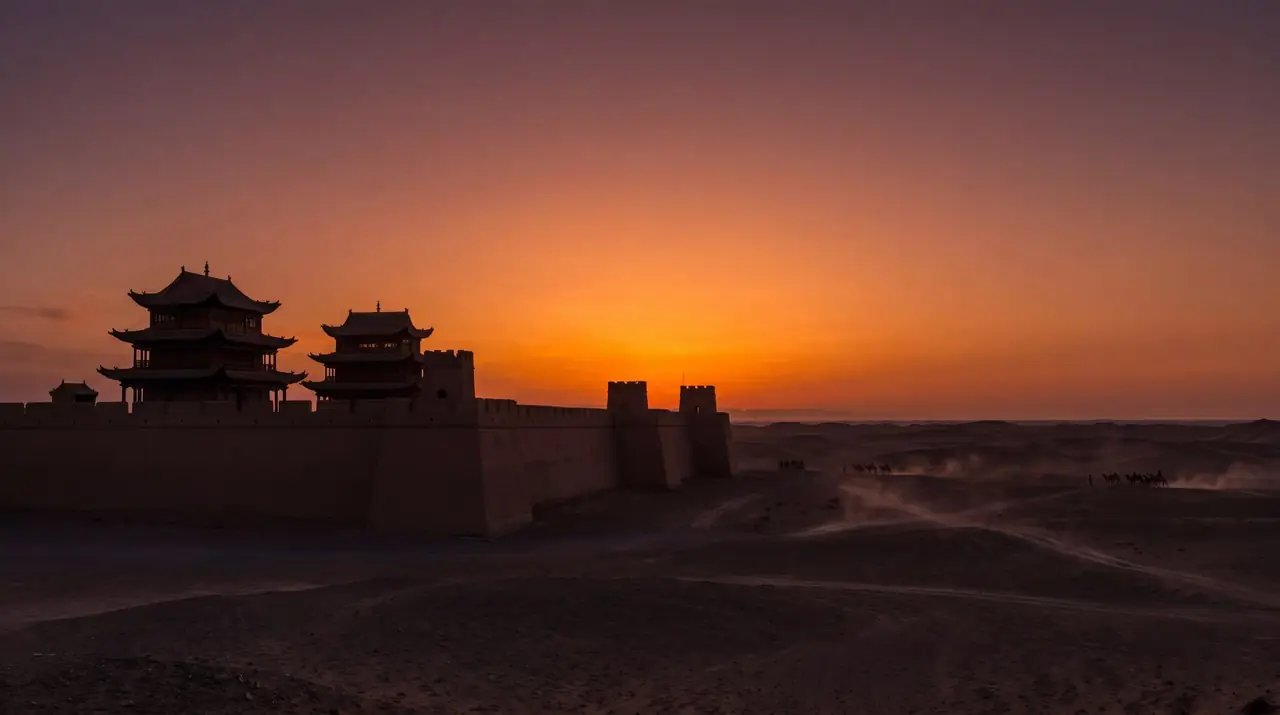
The westernmost end of the Great Wall, known as the Greatest Pass Under Heaven.
Open destination

Destination
Labrang Monastery
One of the most important Tibetan Buddhist monasteries outside Tibet.
Open destination

Destination
Lanzhou
Capital city of Gansu, gateway to the Silk Road on the Yellow River.
Open destination
Need more specific planning help?
If these guides answered some questions but raised others, send us your situation and we can help with the specifics.
Best fit if you already know your dates, route draft, or must-keep stops.