Sanpaotai
Sanpaotai is less a drink and more a social ritual. The Hui people serve it in three rounds, each with a different character: first a light green tea with rock sugar, then a richer brew with walnuts and longan, finally a sweet concoction with honey and raisins. The whole ceremony takes an hour or more, and you are expected to linger and chat. It is tourist-oriented in places like Linxia, but the tradition is real, and the experience is genuinely pleasant — especially after a day of hiking.
Price Range
¥30-80 ($4-12)
Dietary Notes
vegan, gluten-free, dairy-free, halal
Best Context
Best after a long day on the road or paired with a slower food-focused stop in Lanzhou or Linxia.

Why It Matters
Sanpaotai matters because it is less about thirst and more about social time. It slows the trip down and shows how tea, hospitality, and Hui daily life connect in Gansu.
Many visitors think of it as a staged tea experience. The stronger reading is that it reveals a slower, conversational side of the province that fast itineraries often miss.
It works best when your route includes at least one meal or tea stop that is not purely functional. This is where the product shifts from attractions to texture.
What Goes Into It
Where It Usually Lands Best
Quick Read
Best moment
Best after a long day on the road or paired with a slower food-focused stop in Lanzhou or Linxia.
Category
Beverage
Price
¥30-80 ($4-12)
Dietary
vegan, gluten-free, dairy-free, halal
Where To Pair It
Useful Eating Answers

What to eat in Gansu?
Gansu's cuisine reflects its position on the Silk Road, blending Chinese, Hui Muslim, and Tibetan influences into unique and delicious dishes you won't find anywhere else.
Halal restaurants in Gansu?
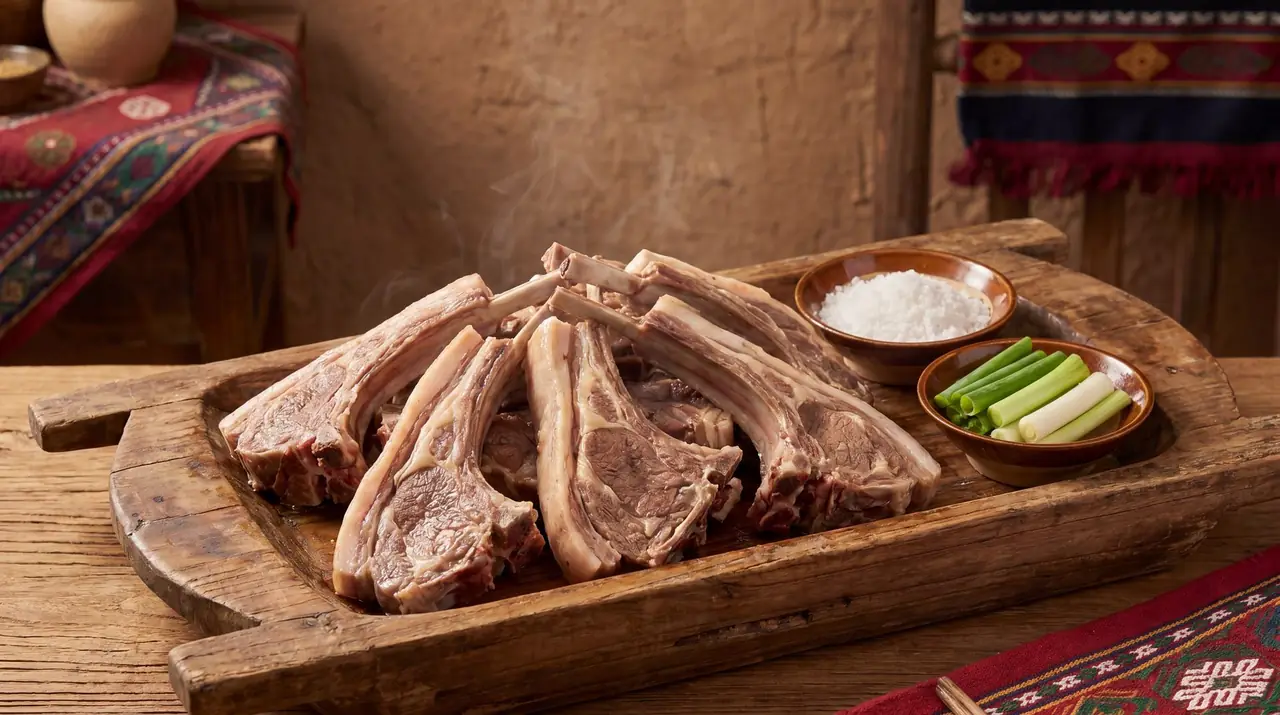
Halal food in Gansu is not a niche workaround. In many parts of the province it is the mainstream street-level system: noodles, lamb, breads, soups, grills, and tea shaped by Hui Muslim life.
Best restaurants in Lanzhou?
Lanzhou is one of the most useful food cities in the province because it lets you understand Gansu through breakfast, noodles, tea, street rhythm, and Muslim food culture instead of one famous dish alone.
Guides That Use This Food Well
Linxia Halal Food Guide: One of Gansu's Most Underrated Eating Stops
Linxia is one of the clearest places to understand the Hui Muslim side of Gansu through food, rhythm, and daily urban life.
Lanzhou Layover Guide: What to Do With One Full Day
Lanzhou is more than a transfer node. One solid day is enough to understand why the city matters to the province.

Want the route built around food without losing the rest of the trip?
If food matters but you still want the overall route to stay coherent, send the draft and we can help balance eating, transit, and the core stops.
Best fit if you already know your dates, route draft, or must-keep stops.