Niangpi
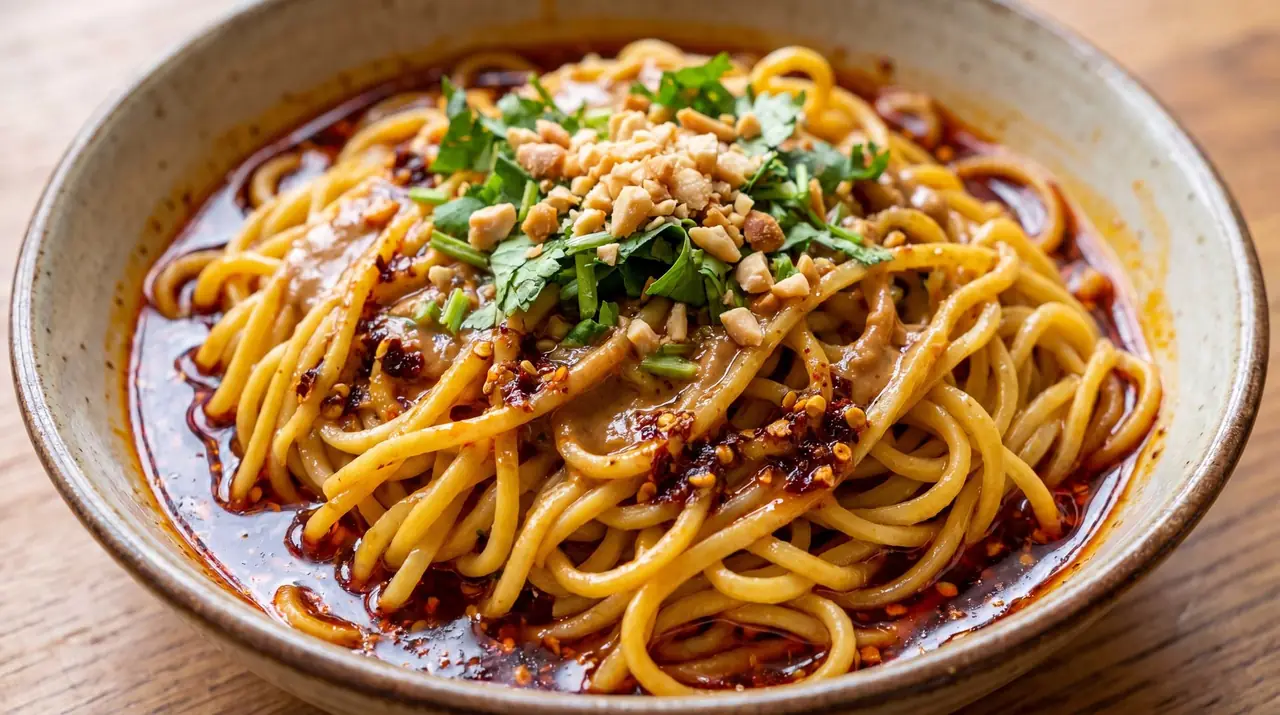
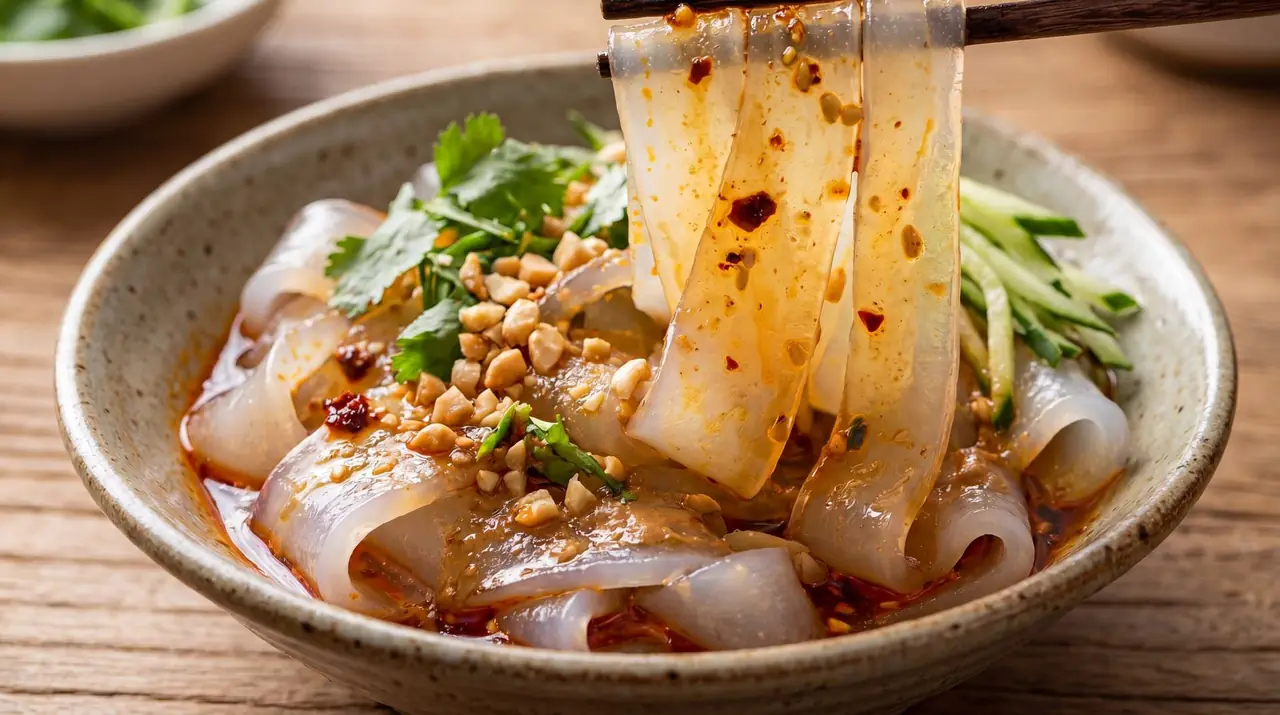
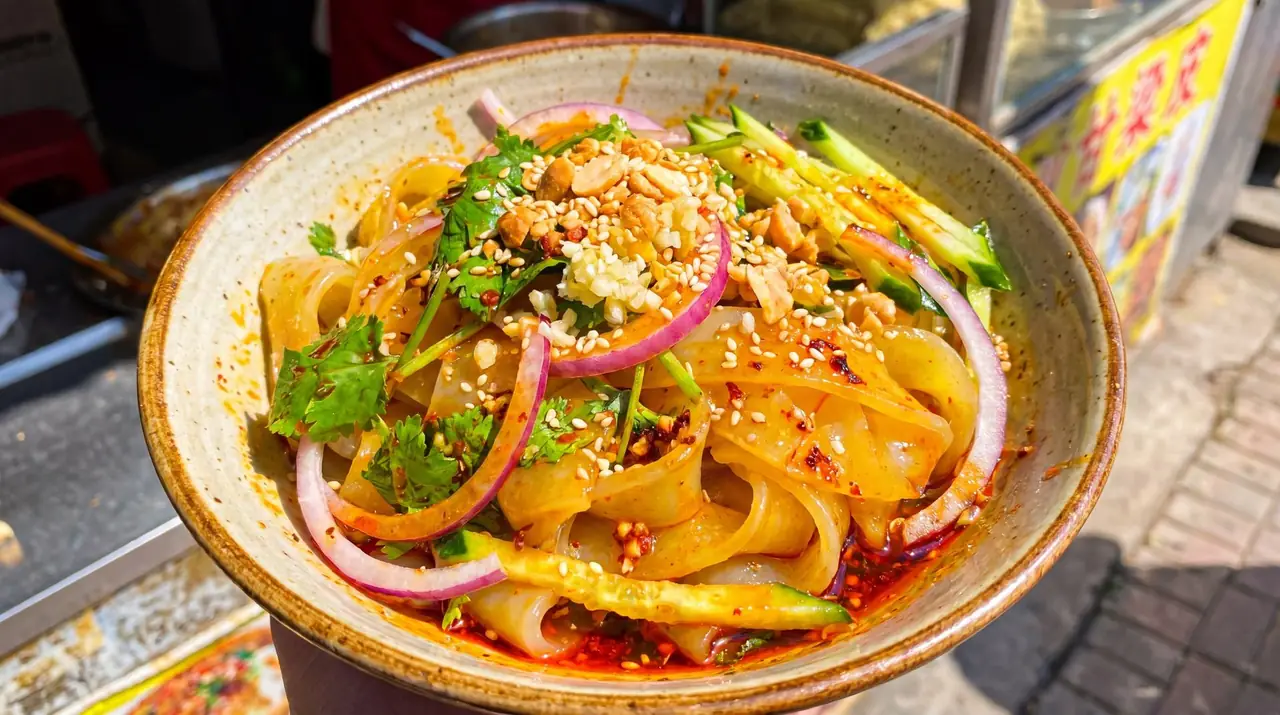
Niangpi is the dish you will crave on a hot Gansu afternoon. It is essentially cold "skin" noodles — chewy, translucent sheets made from wheat or rice flour, dressed with a punchy sauce of vinegar, garlic, chili oil, and sesame paste. It is refreshing, deeply savory, and surprisingly filling. Street vendors sell it from carts all over Lanzhou, and the quality is remarkably consistent. A perfect counterpoint to the heavy noodle soups that dominate local cuisine.
Price Range
¥8-15 ($1-2)
Dietary Notes
vegetarian, vegan
Best Context
Most useful on a hot Lanzhou afternoon, as a lighter counterweight to heavier noodle soups and skewers.
Why It Matters
Niangpi is one of the clearest examples of how Gansu eats in everyday rhythm: cheap, cooling, fast, and deeply tied to street-level summer appetite rather than restaurant prestige.
Travelers often focus only on famous hot dishes. Niangpi matters because it shows the cold, snack-like, vinegar-heavy side of local daily eating.
This is a food note that improves city pacing. It works between museum time, station recovery, and evening river walks without slowing the day down.
What Goes Into It
Where It Usually Lands Best
Quick Read
Best moment
Most useful on a hot Lanzhou afternoon, as a lighter counterweight to heavier noodle soups and skewers.
Category
Cold Dishes
Price
¥8-15 ($1-2)
Dietary
vegetarian, vegan
Where To Pair It
Useful Eating Answers

What to eat in Gansu?
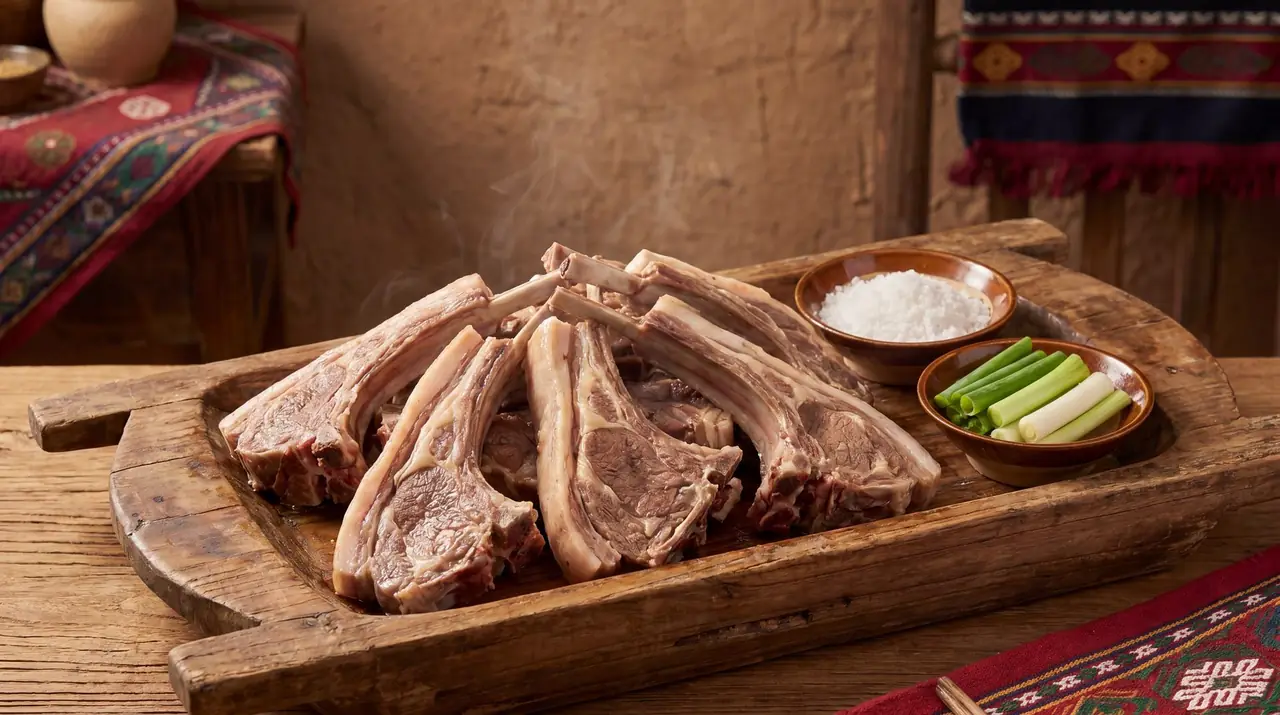
Gansu's cuisine reflects its position on the Silk Road, blending Chinese, Hui Muslim, and Tibetan influences into unique and delicious dishes you won't find anywhere else.
Foreigner-friendly restaurants in Gansu?
The best way to eat in Gansu is not to chase Western fallback food. It is to know where local dining still works for foreign travelers: busy restaurants, clear menus, halal districts, and places where ordering is easy even with little Chinese.
Best restaurants in Lanzhou?
Lanzhou is one of the most useful food cities in the province because it lets you understand Gansu through breakfast, noodles, tea, street rhythm, and Muslim food culture instead of one famous dish alone.

Want the route built around food without losing the rest of the trip?
If food matters but you still want the overall route to stay coherent, send the draft and we can help balance eating, transit, and the core stops.
Best fit if you already know your dates, route draft, or must-keep stops.